


What Are the Benefits of Choosing Dental Implants Over Other Tooth Replacement Options?
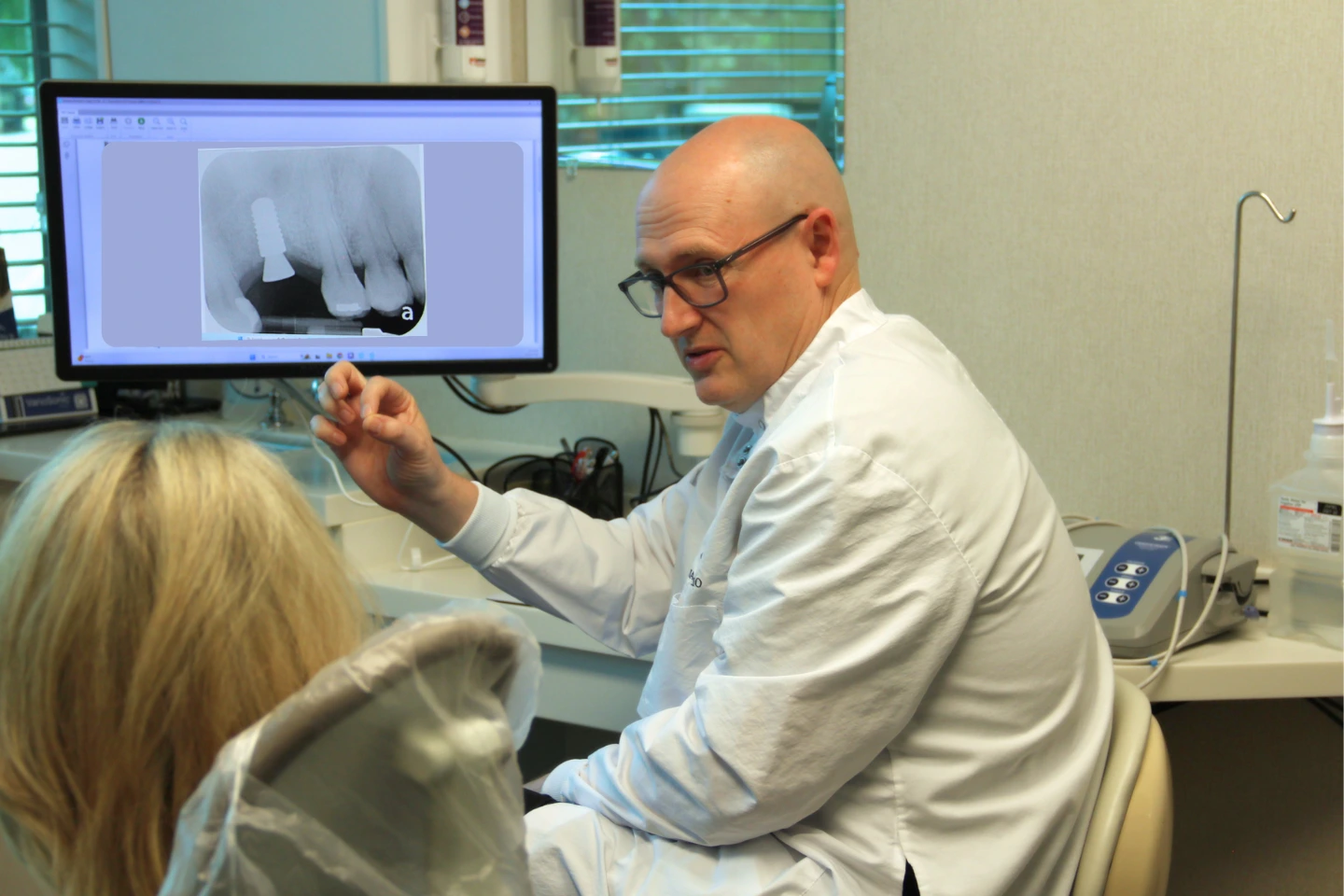
Replacing a missing tooth isn't just about how your smile looks, it affects how you eat, speak, and maintain the health of your remaining teeth and jawbone. If you're weighing your options, you've probably come across dental implants as one possible path forward, alongside dentures and bridges.
This article lays out the benefits of dental implants in practical terms and compares them fairly with other common tooth replacement options. The goal here isn't to steer you toward any one treatment, it's to give you enough of a foundation to have a more informed conversation with your dentist.
Why Patients Consider Dental Implants
Dental implants have become one of the most widely discussed tooth replacement options for good reason. They are designed to function as close to natural teeth as current dental technology allows, rooted in the jawbone, topped with a realistic-looking crown, and maintained with the same daily habits as natural teeth.
Patients often choose dental implants after experiencing unstable dentures, losing a tooth next to otherwise healthy teeth and wanting to avoid altering them for a bridge, or seeking a more durable, long-term solution compared with other tooth replacement options.
Key Benefits of Dental Implants
Here are the most commonly cited advantages that patients and dentists discuss when implants are part of the conversation:
Stability and Function
Implants are anchored in the jawbone through a titanium post that acts as a replacement root. This gives the restoration a level of stability that removable options cannot match. Patients generally report that implant-supported teeth feel and function much more like natural teeth making eating, speaking, and daily comfort easier.
Bone Health Support
One of the less visible but clinically significant benefits of dental implants is their effect on jawbone health. When a tooth is lost, the bone in that area no longer receives the stimulation it needs to maintain its density. Over time, bone resorption can occur, meaning the bone gradually loses volume. A dental implant replaces the root function and may help slow this process. Dentures and bridges do not provide this same type of bone stimulation.
Natural Appearance
Implant crowns are typically made from porcelain or ceramic materials that closely match the color and translucency of natural tooth enamel. When placed well, implant restorations are generally difficult to distinguish from natural teeth.
Preservation of Adjacent Teeth
A traditional fixed bridge requires the two teeth on either side of the gap to be filed down to serve as anchors. An implant, by contrast, is self-supporting. For patients with healthy teeth adjacent to a gap, this can be an important advantage: no modification to neighboring teeth is needed.
Simplified Daily Care
Implant-supported teeth are cleaned much like natural teeth: brushing twice daily, flossing, and attending regular dental checkups. There is no need for adhesives, removal at night, or special soaking solutions.
Dental Implants vs Dentures
Dentures are a well-established, widely used tooth replacement option particularly for patients who need to replace multiple or all teeth. They can be appropriate for many patients and have the advantage of being a less invasive option.
Some considerations when comparing the two:
- Stability: Dentures rest on the gum surface and may move or shift when speaking or eating, particularly as the shape of the jawbone changes over time. Implants are fixed in place and do not move.
- Bone resorption: Because dentures sit on top of the gums rather than replacing the tooth root, they do not prevent bone loss in the jaw. Patients with dentures may notice changes in how their dentures fit over time as bone volume decreases.
- Maintenance: Removable dentures require daily removal and cleaning, as well as periodic professional adjustments. Implants are cared for in place, like natural teeth.
- Comfort: Some patients find dentures perfectly comfortable; others experience difficulty with adhesive or irritation. Implants tend to be better tolerated functionally over time for many patients.
- Cost and invasiveness: Dentures typically involve a lower upfront cost and no surgery. Implants involve a surgical procedure and a longer treatment timeline, along with a higher initial investment. Depending on longevity and the need for adjustments, the long-term cost comparison may vary.
Neither option is universally better; the right choice depends on the patient's oral health, bone density, budget, and personal preferences. Your dentist can help you evaluate which fits your situation.
Dental Implants vs Bridges
A fixed dental bridge is a non-removable restoration that spans a gap using the adjacent teeth as anchors. It is a reliable option that has been in use for many decades.
Key comparisons with implants:
- Adjacent tooth preservation: As noted above, bridges require the healthy teeth on either side of the gap to be shaped down. An implant avoids this. For patients with structurally sound neighbors, this can make a difference in how they evaluate their options.
- Cleaning: Bridges require special flossing techniques to clean underneath the false tooth, as normal floss cannot pass through the connection points. Implants are cleaned the same way as natural teeth.
- Longevity: With proper care, both bridges and implants can provide long-term results. Implants, however, do not involve the same risk of decay affecting anchor teeth, since there are no anchor teeth involved.
- Bone health: Like dentures, bridges do not stimulate the underlying jawbone in the area of the missing tooth, so some bone loss over time may occur in that area.
For single or multiple missing teeth where adjacent teeth are healthy, many patients find that implants offer a self-contained solution that does not affect surrounding teeth. Whether that advantage outweighs other factors in your specific situation is a conversation for you and your dentist.
Long-Term Benefits of Dental Implants
When patients ask about the long-term benefits of dental implants, the conversation usually covers a few key points:
- Jawbone preservation: The root-replacement function of an implant helps maintain bone volume over time, which affects facial structure and the fit of surrounding teeth.
- Longevity with proper care: Implants are designed to be durable, and many patients enjoy stable results for many years with appropriate oral hygiene and regular dental visits. However, the lifespan of any dental restoration depends on individual health factors, oral hygiene habits, and lifestyle. No dental treatment is immune to wear or complications.
- Reduced impact on surrounding teeth: Because implants do not rely on adjacent teeth for support, those teeth are not subjected to the additional stress that bridges can place on anchors over time.
Long-term success with implants requires ongoing commitment to oral health. Gum disease, bone loss, smoking, and certain health conditions can all affect outcomes. This is why a thorough evaluation before treatment and consistent care afterward matters.
Are Dental Implants the Best Tooth Replacement Option?
It depends. Dental implants offer a set of advantages that make them a strong choice for many patients, particularly those with good bone density, healthy gums, and the willingness to commit to the treatment process and its timeline.
At the same time, implants are not suitable for every patient. Factors like significant bone loss, certain medical conditions, cost, or a preference for a non-surgical approach may make another option a better fit. Dentures and bridges continue to serve many patients well, and advances in both options mean that the gap in experience has narrowed in some respects.
The best tooth replacement option is the one that your dentist recommends based on a thorough evaluation of your specific oral health, medical history, and personal goals.
Who May Be a Good Candidate for Dental Implants?
Dental implants may be an appropriate option for patients who:
- Have healthy gums and sufficient jawbone to support an implant
- Are in reasonably good overall health and do not have conditions that significantly impair healing
- Are committed to a longer treatment process that may span several months
- Maintain consistent oral hygiene habits
- Are not current smokers, or are willing to stop during treatment
Candidacy is always determined by a clinical evaluation. If you've been told you might not be a candidate due to bone loss or other concerns, it's worth asking whether preparatory procedures like bone grafting could potentially change that picture.
How to Choose the Right Tooth Replacement Option
The most important step is having a conversation with a qualified dentist who can evaluate your specific situation, your bone health, oral health, tooth replacement needs, lifestyle, and financial considerations. No online guide, however thorough, can substitute for that assessment.
Bring your questions. Ask about the trade-offs of each option. Ask what your dentist would recommend for someone in your situation and why. The better your questions, the more useful the conversation will be.
Ready to explore your tooth replacement options? Schedule a consultation with a qualified dentist to compare dental implants, bridges, and dentures based on your individual oral health needs.
Frequently Asked Questions
Q: What are the main benefits of dental implants?
A: Dental implants offer stability rooted in the jawbone, a natural look and feel, support for jawbone health, simplified daily care similar to natural teeth, and no impact on adjacent teeth. These advantages make them a frequently chosen option among patients who are good candidates.
Q: Are dental implants better than dentures?
A: For many patients, dental implants offer advantages over dentures in terms of stability, bone health support, and daily convenience. However, dentures may be a more appropriate choice depending on a patient's bone density, overall health, budget, or preference for a non-surgical option. Neither is universally better; it depends on the individual patient.
Q: Are dental implants better than bridges?
A: Dental implants do not require modification of adjacent teeth, which is a significant advantage for patients with healthy neighboring teeth. They also provide bone stimulation that bridges cannot. However, bridges are a well-established option and may be more appropriate in some clinical situations. Your dentist can help you compare based on your specific needs.
Q: Do dental implants look natural?
A: Implant crowns are typically made from porcelain or ceramic materials designed to closely match the appearance of natural teeth in color, shape, and translucency. When placed well by an experienced dentist, they are generally difficult to distinguish from natural teeth.
Q: Are dental implants worth it long term?
A: For many patients who are good candidates, dental implants can provide long-lasting, functional, and comfortable tooth replacement. The long-term value depends on ongoing oral hygiene, regular dental care, overall health, and individual factors. A dentist can help you weigh whether the investment makes sense for your situation.
Conclusion
The benefits of dental implants stability, natural feel, bone support, and low-maintenance care make them a compelling option for patients who are good candidates. But the most important factor in choosing a tooth replacement option is not what any single article says: it's what a qualified dentist recommends based on a thorough look at your mouth, your health, and your goals. Use this information as a starting point, not a final answer.
Contact Us
We provide exceptional dental care tailored to your needs.
Contact Us at: (704) 365-0123
Fax: (704) 364-8640
Email: info@charlotteperio.com
Get in Touch
*Name
*Your Email
*Your Phone Number
Additional Information

Our Professional Affiliations





© 2026 CharlottePerio. All Rights Reserved | Notice of Privacy Practices | Digital Marketing by Remedo