


Can People With an Autoimmune Disease Get Dental Implants? What Patients Should Know
Living with an autoimmune condition comes with its own set of health considerations and tooth replacement is one question that many patients in this situation find themselves asking. If you have been told you might benefit from dental implants, or if you're exploring your options after tooth loss, you may wonder whether your autoimmune disease changes what's available to you.
The answer is nuanced. Having an autoimmune disease does not automatically mean dental implants are off the table. What it does mean is that a careful, individualized evaluation is especially important. This article explains the key considerations, what conditions like lupus or rheumatoid arthritis may mean for implant treatment, and the questions worth raising with your dental team.
Can You Get Dental Implants With an Autoimmune Disease?
Many patients with autoimmune conditions have successfully undergone dental implant treatment. At the same time, certain conditions and the medications used to manage them can affect how the body heals, how bone integrates with an implant, and how the immune system responds to a surgical procedure.
What this means in practice is that eligibility for dental implants is determined case by case. An implant specialist experienced in treating patients with complex medical histories will take your full health picture into account before making a recommendation. Working with a specialist such as a periodontist who routinely places and restores dental implants can help ensure a higher level of expertise, precision, and long-term care throughout the process.
Autoimmune disease does not disqualify you, but it does make a thorough pre-treatment evaluation more important than ever.
How Autoimmune Conditions May Affect Dental Implant Treatment
Dental implant placement involves a surgical procedure and a healing period during which the titanium implant integrates with the jawbone, a process known as osseointegration. For this to succeed, the body's healing response needs to function effectively.
Autoimmune conditions, by definition, involve an immune system that reacts differently than it would in someone without the condition. Depending on the specific disorder, this can affect:
- Healing speed: Some autoimmune conditions may slow tissue healing, which can extend recovery timelines.
- Infection risk: A compromised or dysregulated immune response may affect how the body responds to surgical sites.
- Bone density: Certain conditions and medications used to treat them can affect bone density, which matters for implant stability.
- Inflammation: Chronic systemic inflammation can influence oral health and healing conditions.
None of these factors automatically prevents implant treatment. What they do is make the pre-treatment assessment more detailed and the collaboration between your implant specialist and physician more important.
Why Healing and Immune Response Matter
The long-term success of a dental implant depends significantly on osseointegration, the process by which the bone grows around and bonds with the implant. This is a biological process, and the immune system plays a role in how it unfolds.
In patients with autoimmune disease, this process may proceed differently. Some conditions and their treatments may affect bone metabolism, increase the risk of implant-related complications, or require a longer or more carefully monitored healing period. Your implant specialist, in consultation with your physician, will evaluate whether your current health status and treatment regimen support this process.
This is one reason why communication between your dental team and your rheumatologist, immunologist, or other specialist is so valuable when implant treatment is being considered.
Dental Implants for Patients With Lupus
Lupus (systemic lupus erythematosus) is an autoimmune condition that can affect multiple organ systems. Patients with lupus may experience flares, use immunosuppressive medications, and have varying levels of immune activity at different points in time.
For patients with lupus who are considering dental implants, relevant factors may include:
- Disease activity at the time of treatment: Patients whose lupus is well-managed and stable may be in a better position for implant placement than those experiencing an active flare.
- Oral manifestations of lupus: Some patients with lupus experience dry mouth or oral ulcers, which can affect oral health and healing.
- Medications: Immunosuppressants used to manage lupus can influence healing and infection risk.
If you have lupus and are exploring dental implants, your dental team will likely want to coordinate with your rheumatologist before proceeding. A joint approach helps ensure that treatment timing and planning align with your overall health management.
Dental Implants for Patients With Rheumatoid Arthritis
Rheumatoid arthritis (RA) is another autoimmune condition that requires thoughtful consideration in the context of dental implant planning.
Factors that may be relevant for RA patients include:
- Jaw joint involvement: RA can affect the temporomandibular joint (TMJ), which may influence dental treatment planning overall.
- Bone density: Long-term RA and some RA medications can affect bone density, which is important for implant stability.
- Medications: Disease-modifying antirheumatic drugs (DMARDs), biologics, and corticosteroids used in RA management may affect healing and infection risk. Some medications may need to be discussed with your rheumatologist before a surgical procedure.
- Dry mouth: Certain RA medications can cause dry mouth, which affects oral health and healing conditions.
Many patients with rheumatoid arthritis have undergone implant treatment successfully, but each case is evaluated individually. Coordination between your dental team and rheumatologist is generally recommended before treatment begins.
Medications That May Affect Implant Planning
The medications used to manage autoimmune conditions are an important part of the pre-treatment conversation. Several categories of drugs may be relevant:
- Corticosteroids (such as prednisone): Long-term corticosteroid use can affect bone density and immune response. Your dental team will want to understand your current dosage and history.
- Immunosuppressants: These can affect the body's ability to respond to infection and support healing following surgery.
- Biologic therapies: Some biologics used in conditions like RA or lupus may need to be temporarily adjusted around the time of surgery. This should be discussed between your dentist and prescribing physician.
- Bisphosphonates: Used to treat bone loss, these medications can sometimes affect how bone responds to oral surgery. This is an important factor in implant planning.
This is not a complete list. The key takeaway is that your complete medication history should be disclosed to your dental team before implant treatment is planned.
How Dentists Evaluate Implant Eligibility
A thorough implant evaluation for a patient with an autoimmune condition typically involves:
- A detailed medical history review, including all diagnoses, medications, and recent lab results
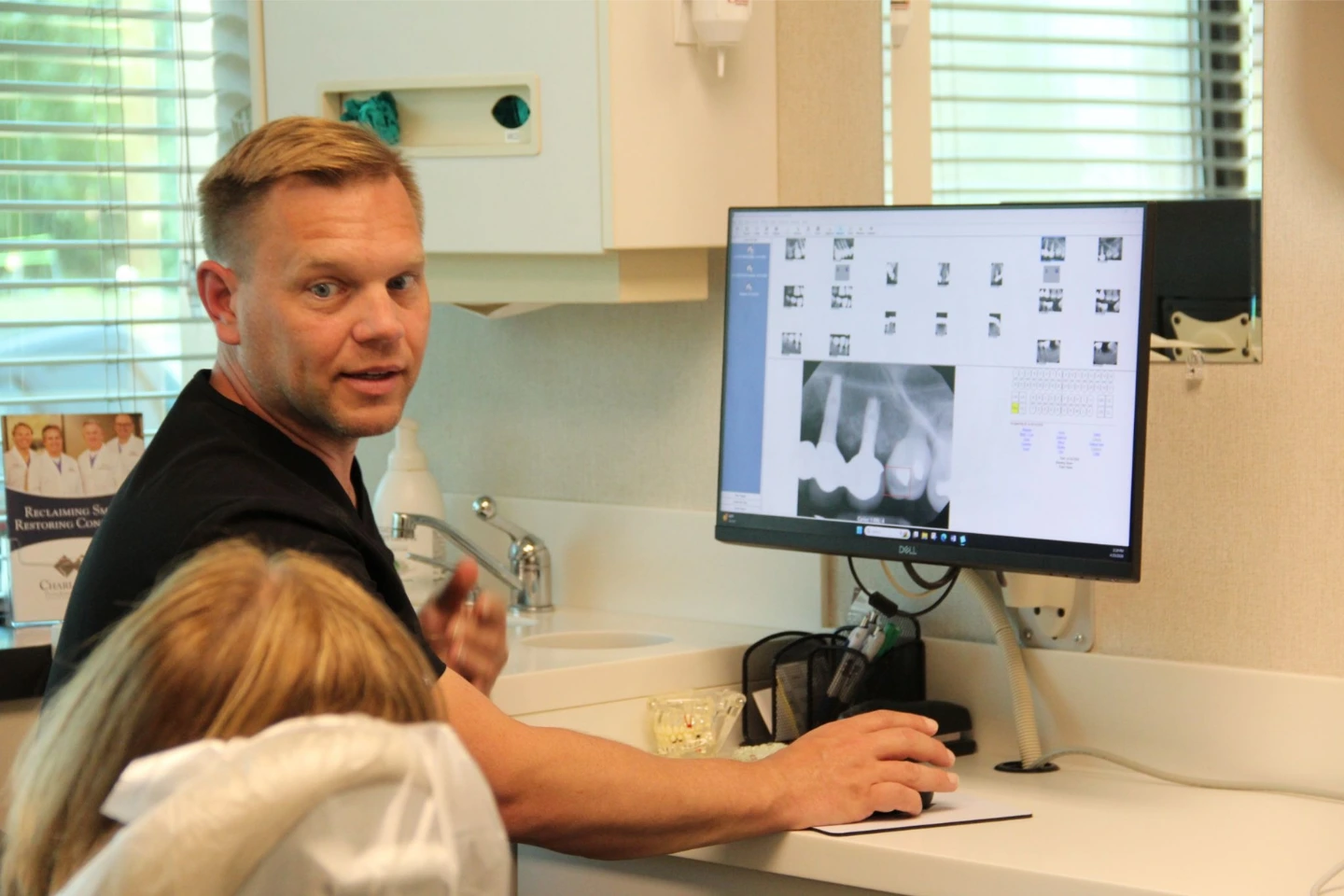
- Imaging such as 3D CBCT scans to assess bone volume and density at the implant site
- An assessment of current oral health, including gum health and any existing infection
- Communication with your physician or specialist to understand how well your condition is currently managed
- A frank discussion of the potential risks and benefits given your specific health situation
This level of evaluation helps your dental team make a truly informed recommendation and helps you understand what the process would involve for your situation specifically.
Questions to Ask Before Dental Implant Treatment
If you have an autoimmune condition and are exploring dental implants, consider asking your dental team the following:
- Have you treated patients with my condition before?
- Will you coordinate with my specialist before proceeding?
- Are there specific aspects of my condition or medications that concern you in terms of implant placement or healing?
- What would ideal timing look like given my disease activity and treatment regimen?
- What signs should I watch for during recovery, given my health situation?
These questions help ensure that you and your dental team are making decisions with full information and that your overall healthcare team is aligned.
Is a Dental Implant Consultation Worth It?
If you have an autoimmune condition and have been putting off a dental implant consultation because you assumed it might not be an option for you, it is worth having that conversation with a qualified implant dentist. A consultation does not commit you to treatment, it gives you information specific to your situation.
You may find that your health history is well-managed enough to proceed with appropriate precautions. Or you may learn that some preparation or coordination is needed first. Either way, you come away knowing where you stand.
Schedule a dental implant consultation and bring your full medical history, including any autoimmune conditions and current medications. A periodontist can help you understand your options in the context of your overall health.
Frequently Asked Questions
Q: Are dental implants safe with autoimmune disease?
A: Dental implants may be an option for some patients with autoimmune disease, but each case requires individual evaluation. A thorough assessment of your specific condition, disease activity, medications, and bone health is essential before proceeding.
Q: Can people with lupus get dental implants?
A: Some patients with lupus have undergone successful implant treatment. Key factors include how well the condition is managed, current medications, and oral health status at the time of treatment. Coordination between the dental team and the patient's rheumatologist is typically recommended.
Q: Can rheumatoid arthritis affect dental implants?
A: Rheumatoid arthritis can influence several factors relevant to implant treatment, including bone density, medication use, and jaw joint health. These considerations do not necessarily prevent implant treatment, but they do require careful planning and often coordination with the patient's rheumatologist.
Q: Do immunosuppressants affect dental implant healing?
A: Immunosuppressive medications can affect the body's healing and immune response following surgery, which is relevant to implant placement and recovery. Your dental team will review your medications as part of the pre-treatment evaluation to understand how they may affect your case.
Q: Who decides if I am eligible for dental implants?
A: Implant eligibility is determined by a qualified implant specialist, such as a periodontist, following a thorough clinical evaluation, which may include imaging, a detailed medical history, and communication with your physician. No article, checklist, or self-assessment can replace a professional evaluation tailored to your situation.
Conclusion
Having an autoimmune condition adds complexity to dental implant planning, but it does not close the door on treatment for many patients. What it requires is a more thorough evaluation, honest communication among your healthcare providers, and a treatment timeline that respects your health status. If dental implants are something you're considering, speaking with a qualified periodontist is a conversation worth having.
Contact Us
We provide exceptional dental care tailored to your needs.
Contact Us at: (704) 365-0123
Fax: (704) 364-8640
Email: info@charlotteperio.com
Get in Touch
*Name
*Your Email
*Your Phone Number
Additional Information

Our Professional Affiliations







© 2026 CharlottePerio. All Rights Reserved | Notice of Privacy Practices | Digital Marketing by Remedo