



What Is the 3/2 Rule for Dental Implants?
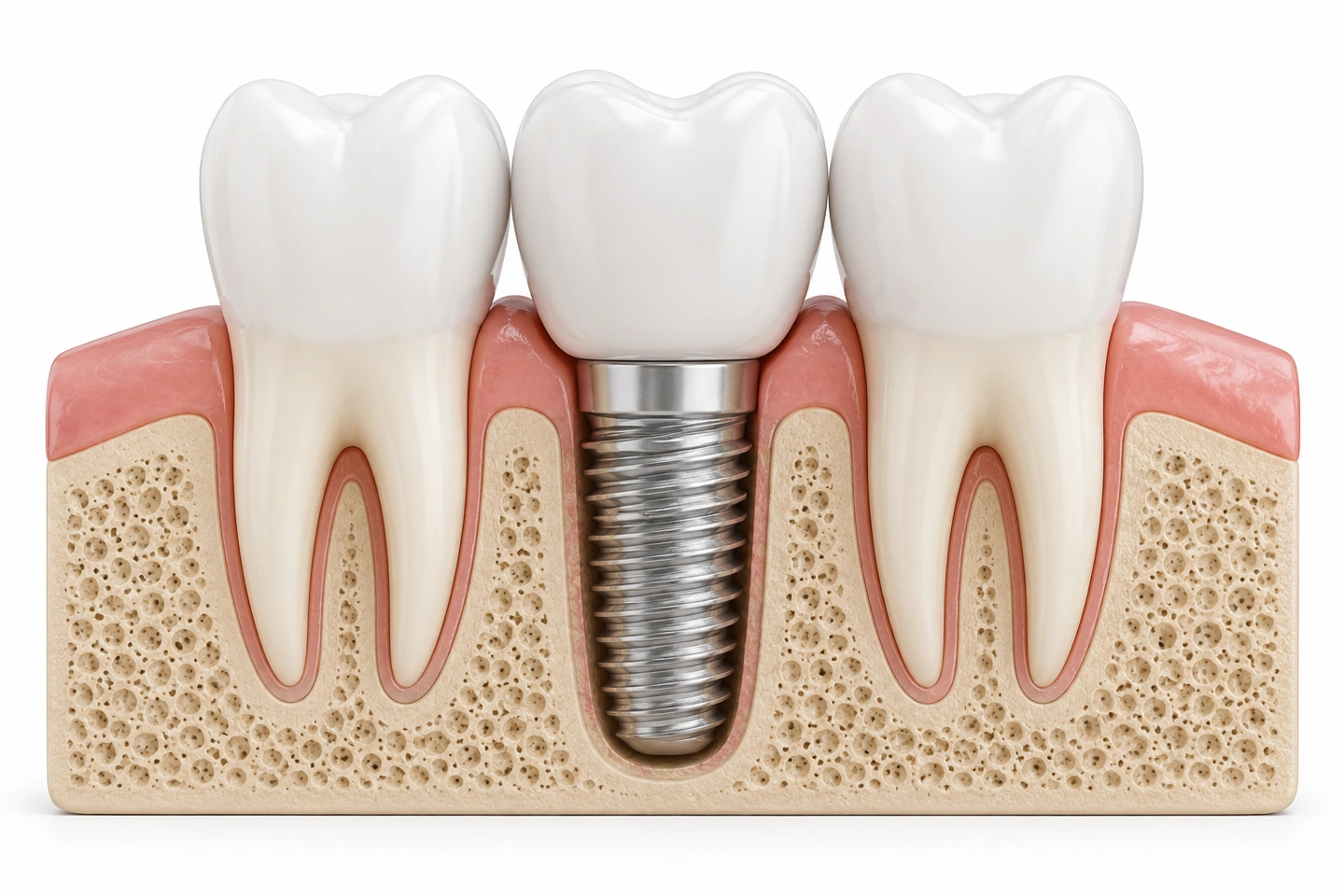
When most people begin exploring dental implants, their focus is naturally on the end result. They picture smiling confidently in photos again, enjoying favorite foods comfortably, and speaking without thinking about missing teeth.
What many patients do not realize is that successful dental implant treatment depends just as much on what happens beneath the gums as what is visible above them. Precise measurements, careful planning, and healthy bone support all play an important role in creating long-term stability.
One of the key guidelines periodontists use during implant planning is called the 3/2 rule.
While the name may sound technical, the concept itself is straightforward. The 3/2 rule helps guide proper spacing during dental implant placement, supporting healthy bone and gum tissue around both implants and natural teeth.
Understanding the 3/2 Rule
The 3/2 rule is based on two important spacing measurements:
Three millimeters between adjacent dental implants
Two millimeters between a dental implant and a natural tooth
These measurements refer to the spacing between the implant posts positioned within the jawbone, not the visible crowns seen when smiling.
Although the distances are small, they have a significant impact on the long-term health and stability of the implants.
The “3” in the Rule: Space Between Adjacent Implants
When several missing teeth are being replaced side by side, multiple implants may be placed next to one another.
To maintain healthy bone between those implants, specialists generally allow at least 3mm of space between implant platforms.
Each implant creates a small biological healing zone as the bone integrates with the titanium surface. If implants are placed too closely together, these healing zones can overlap. Over time, this may reduce blood supply to the bone between the implants and increase the risk of bone loss.
Proper spacing helps preserve the bone and gum tissue that support both function and appearance.
The “2” in the Rule: Space Between an Implant and a Natural Tooth
When an implant is placed beside a natural tooth, the recommended spacing is typically at least 2mm.
Natural teeth are supported by the periodontal ligament, a specialized structure that cushions the tooth and helps maintain healthy blood flow around the root. Allowing adequate space helps protect the neighboring tooth root, supports healthy surrounding bone, and promotes long-term stability for both the implant and the natural tooth.
Why Precision Matters in Dental Implant Planning
Dental implant treatment is highly customized. Every patient’s anatomy, bone structure, and restorative goals are different. Guidelines like the 3/2 rule help specialists create a strong biological foundation for long-lasting results.
At CharlottePerio, careful treatment planning and precision are essential parts of every implant case. Proper implant spacing not only supports long-term health and function, but also helps create natural-looking results that blend seamlessly with your smile.
1. Proper Spacing Helps Prevent “Black Triangles”
You may have noticed small dark spaces between teeth near the gum line. These areas are commonly called black triangles.
They occur when the small triangular piece of gum tissue between teeth, known as the papilla, loses support and recedes. Healthy gum tissue depends on healthy bone underneath it. If implants are positioned too closely together and bone loss develops, the surrounding gum tissue may also shrink.
Maintaining proper implant spacing helps support the bone and soft tissue needed for fuller, more natural-looking gum contours.
2. Proper Spacing Helps Protect Bone Health
Bone loss around dental implants can affect both appearance and long-term stability.
When bone levels decrease, portions of the implant surface may become exposed, creating areas where bacteria can accumulate more easily. This may contribute to inflammation around the implant, known as peri-implantitis, which is one of the leading causes of implant complications and failure.
Following established spacing guidelines, such as the 3/2 rule, helps support healthy bone levels and reduces unnecessary stress on the surrounding tissues.
3. Proper Spacing Supports Better Oral Hygiene
Dental implants should not only look natural, but also be easy to maintain.
When replacement teeth are positioned too closely together, flossing and cleaning around the implants can become more difficult. Plaque and food debris may collect in areas that are harder to reach, increasing the risk of inflammation over time.
Thoughtful implant spacing allows patients to clean more effectively and maintain healthier implants for years to come.
How Periodontists Achieve Precise Implant Placement
Successful dental implant treatment requires careful planning and precision. Even small adjustments in implant positioning can have a significant impact on long-term outcomes.
Advanced 3D Imaging and Digital Planning
At CharlottePerio, advanced imaging technology plays an important role in implant treatment planning.
Cone Beam Computed Tomography (CBCT) provides a detailed three-dimensional view of the jawbone, surrounding teeth, sinuses, and nearby nerve structures. This technology allows specialists to evaluate bone quality and virtually plan implant placement before surgery begins.
Digital planning helps ensure implants are positioned with the proper spacing and alignment to support long-term health, function, and aesthetics.
Customized Surgical Guides
In some cases, a custom surgical guide may be created based on the digital treatment plan.
These guides fit precisely over the teeth or gums during surgery and help direct implant placement with a high level of accuracy. Guided surgery can improve precision and help maintain the spacing needed to support healthy bone and gum tissue.
Why Choosing a Periodontist Matters
Dental implants rely heavily on the health of the supporting bone and gums. Because of this, specialized training can make an important difference in treatment planning and long-term success.
Periodontists receive additional years of advanced education focused specifically on the prevention, diagnosis, and treatment of gum disease, bone loss, and dental implant placement.
At CharlottePerio, implant treatment is planned with careful attention to both function and aesthetics. Advanced principles, including proper implant spacing and tissue preservation, are incorporated into every stage of care to help create healthy, stable, and natural-looking results.
Invest in a Healthy, Long-Term Smile
Replacing missing teeth is an investment in both your oral health and quality of life. Choosing a team that prioritizes precision, planning, and long-term stability can help support successful results for years to come.
If you are considering dental implants or would like to learn more about your treatment options, the team at CharlottePerio is here to help you build a strong, healthy foundation for your smile.
Frequently Asked Questions (FAQs)
Q: What happens if my jawbone is too narrow to allow for 3mm of spacing?
A: If the jawbone has narrowed due to tooth loss, gum disease, or natural bone changes over time, additional space may need to be created before implants can be placed safely.
In these situations, a periodontist may recommend a bone grafting procedure to rebuild the width or height of the jawbone. Bone grafting helps create a stronger foundation for implant placement and supports healthier long-term results.
Q: Is the 3/2 rule different for smaller front teeth?
A: In some cases, yes. While the 3/2 rule remains a common guideline for implant spacing, front teeth naturally have less room between them than larger back teeth.
Smaller-diameter implants or customized treatment approaches may sometimes be recommended in aesthetic areas. Advanced 3D imaging and digital planning help determine the ideal spacing and positioning for each individual patient.
Q: Can implants that are placed too close together be corrected later?
A: Once a dental implant fully integrates with the jawbone through a process called osseointegration, its position becomes fixed.
If implants are improperly spaced and complications such as bone loss or peri-implantitis develop, additional treatment may be necessary. In more severe cases, an implant may need to be removed and replaced after healing. This is one reason why precise planning and placement are so important from the beginning.
Q: How can I know whether proper implant spacing is being considered during treatment planning?
A: Patients should feel comfortable asking questions about their treatment plan.
At CharlottePerio, advanced CBCT imaging and digital planning are used to evaluate implant positioning, bone support, and spacing before surgery begins. Reviewing these images with your specialist can help you better understand the process and the goals of your treatment.
Q: Does following the 3/2 rule make implant surgery take longer?
A: Not necessarily. In many cases, digital planning and guided surgery actually help make treatment more efficient and predictable.
Because implant positions are carefully mapped before surgery, the procedure can often be performed with greater precision and consistency.
Contact Us
We provide exceptional dental care tailored to your needs.
Contact Us at: (704) 365-0123
Fax: (704) 364-8640
Email: info@charlotteperio.com
Get in Touch
*Name
*Your Email
*Your Phone Number
Additional Information

Our Professional Affiliations








© 2026 CharlottePerio. All Rights Reserved | Notice of Privacy Practices | Digital Marketing by Remedo