


What Is the Number One Cause of Dental Implant Failure?
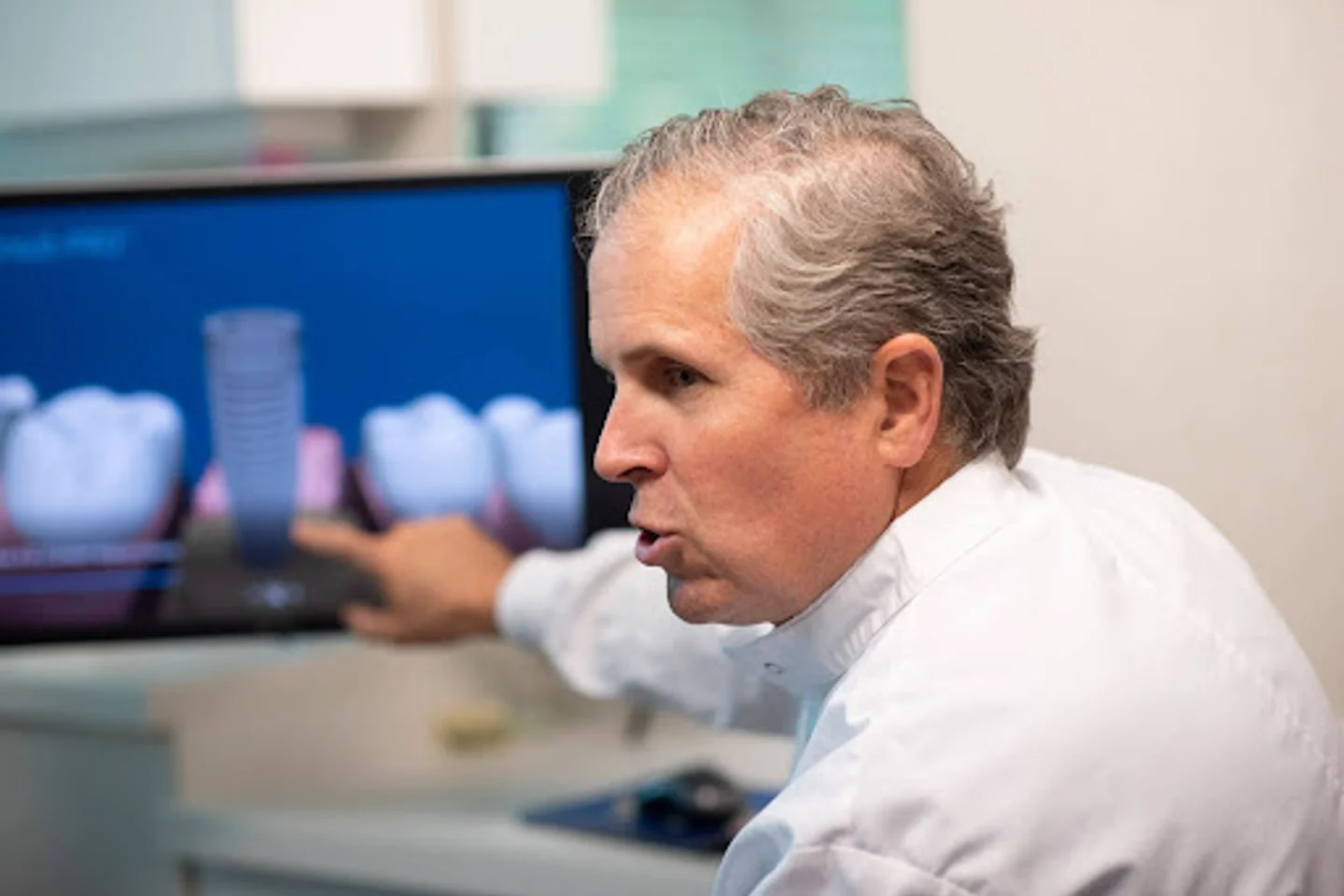
Choosing dental implants is an important investment in both your oral health and quality of life. Dental implants can restore chewing function, improve speech, and help patients feel more confident in their smiles. With success rates commonly reported between 95% and 98%, dental implants are considered one of the most predictable and successful treatment options in dentistry.
However, like any surgical procedure, complications can occasionally occur. When implant problems develop, patients often wonder what caused the issue and whether it could have been prevented.
The most common cause of dental implant failure is a condition known as peri-implantitis.
Peri-Implantitis: The Leading Cause of Implant Failure
Peri-implantitis is an inflammatory condition that affects the gum tissue and bone surrounding a dental implant. It is similar to advanced periodontal disease around natural teeth.
When bacteria accumulate around an implant, inflammation can develop in the surrounding tissues. If the infection progresses, it may begin destroying the bone that supports the implant. Over time, this bone loss can compromise implant stability and eventually lead to implant failure if left untreated.
The Early Stages of Implant Infection
Peri-implantitis often begins as a milder condition called peri-implant mucositis.
At this early stage, inflammation is limited to the gum tissue around the implant. Patients may notice redness, swelling, tenderness, or bleeding when brushing and flossing.
The good news is that peri-implant mucositis is typically reversible when identified and treated early. Without treatment, however, the inflammation can spread deeper beneath the gumline and begin affecting the supporting jawbone.
How Peri-Implantitis Develops
The primary cause of peri-implantitis is bacterial plaque buildup around the implant.
Unlike natural teeth, dental implants do not have the same protective ligament and blood supply surrounding them. This makes careful oral hygiene and routine professional maintenance especially important.
Inadequate Oral Hygiene
One of the most common contributors to peri-implantitis is insufficient daily cleaning around the implant restoration.
If plaque and bacteria are allowed to remain around the implant crown and gumline, inflammation can gradually develop and progress deeper into the surrounding tissues.
Medical and Lifestyle Risk Factors
Certain medical conditions and lifestyle habits can increase the risk of implant complications.
Smoking and tobacco use significantly reduce blood flow to the gums and can interfere with healing and the body’s ability to fight infection. Uncontrolled diabetes, chronic inflammation, and other systemic health conditions may also affect implant health and bone stability over time.
Other Causes of Dental Implant Complications
Although peri-implantitis is the leading cause of implant failure, there are other factors that can contribute to implant problems.
Failed Osseointegration (Early Implant Failure)
Successful implants depend on a process called osseointegration, in which the jawbone fuses securely to the titanium implant surface.
If proper integration does not occur during healing, the implant may remain loose and fail early. This can be associated with insufficient bone quality, smoking during healing, uncontrolled medical conditions, or excessive movement of the implant during the healing phase.
Mechanical Overload
Dental implants are extremely durable, but excessive biting pressure can place stress on both the implant and surrounding bone.
Patients who clench or grind their teeth, a condition known as bruxism, may place additional force on implant restorations over time. In some cases, this can contribute to wear, component fracture, or bone stress around the implant.
Why Specialized Surgical Care Matters
Long-term implant success depends heavily on proper treatment planning, precise placement, and healthy bone and gum support.
At CharlottePerio, dental implant treatment is planned with careful attention to implant positioning, tissue health, and long-term maintenance. Periodontists receive advanced specialty training focused specifically on gum health, bone preservation, bone grafting, and dental implant placement.
This specialized expertise helps create an environment that supports both function and long-term implant stability.
Protect Your Smile and Your Investment
Dental implants are designed to be a long-term solution for missing teeth, but maintaining healthy gums and bone is essential to their success.
If you have concerns about your implant health, are noticing changes around an implant, or are considering tooth replacement options, the team at CharlottePerio is here to help. Through advanced technology, specialized periodontal care, and personalized treatment planning, we are committed to helping patients maintain healthy, stable smiles for years to come.
Frequently Asked Questions (FAQs)
What are the early signs of peri-implantitis?
Early signs may include bleeding when brushing or flossing, redness or swelling around the implant, tenderness, persistent bad breath, or discomfort near the implant site. In more advanced cases, pus drainage or implant mobility may occur. Early evaluation is important whenever symptoms develop.
Can a dental implant be saved if peri-implantitis develops?
In many cases, yes. Early treatment may include specialized cleanings, antimicrobial therapy, laser treatment, or other procedures designed to reduce bacterial infection and inflammation. If bone loss has occurred, regenerative procedures such as bone grafting may also be recommended.
How should I care for my dental implants at home?
Dental implants should be brushed and flossed daily, just like natural teeth. Using a soft-bristled toothbrush, non-abrasive toothpaste, floss, interdental brushes, or a water flosser can help keep the implant area clean and healthy. Routine professional cleanings are also important for long-term maintenance.
How often should I have my implants professionally evaluated?
Most patients should continue routine dental and periodontal maintenance visits at least every six months, although some individuals may benefit from more frequent visits depending on their periodontal health and risk factors.
Is dental implant failure common?
No. Dental implants have one of the highest long-term success rates in modern dentistry. With proper planning, specialized care, and good oral hygiene habits, most implants can function successfully for many years.
Contact Us
We provide exceptional dental care tailored to your needs.
Contact Us at: (704) 365-0123
Fax: (704) 364-8640
Email: info@charlotteperio.com
Get in Touch
*Name
*Your Email
*Your Phone Number
Additional Information

Our Professional Affiliations



© 2026 CharlottePerio. All Rights Reserved | Notice of Privacy Practices | Digital Marketing by Remedo