


How Long Does Recovery Take After Dental Implant Surgery?
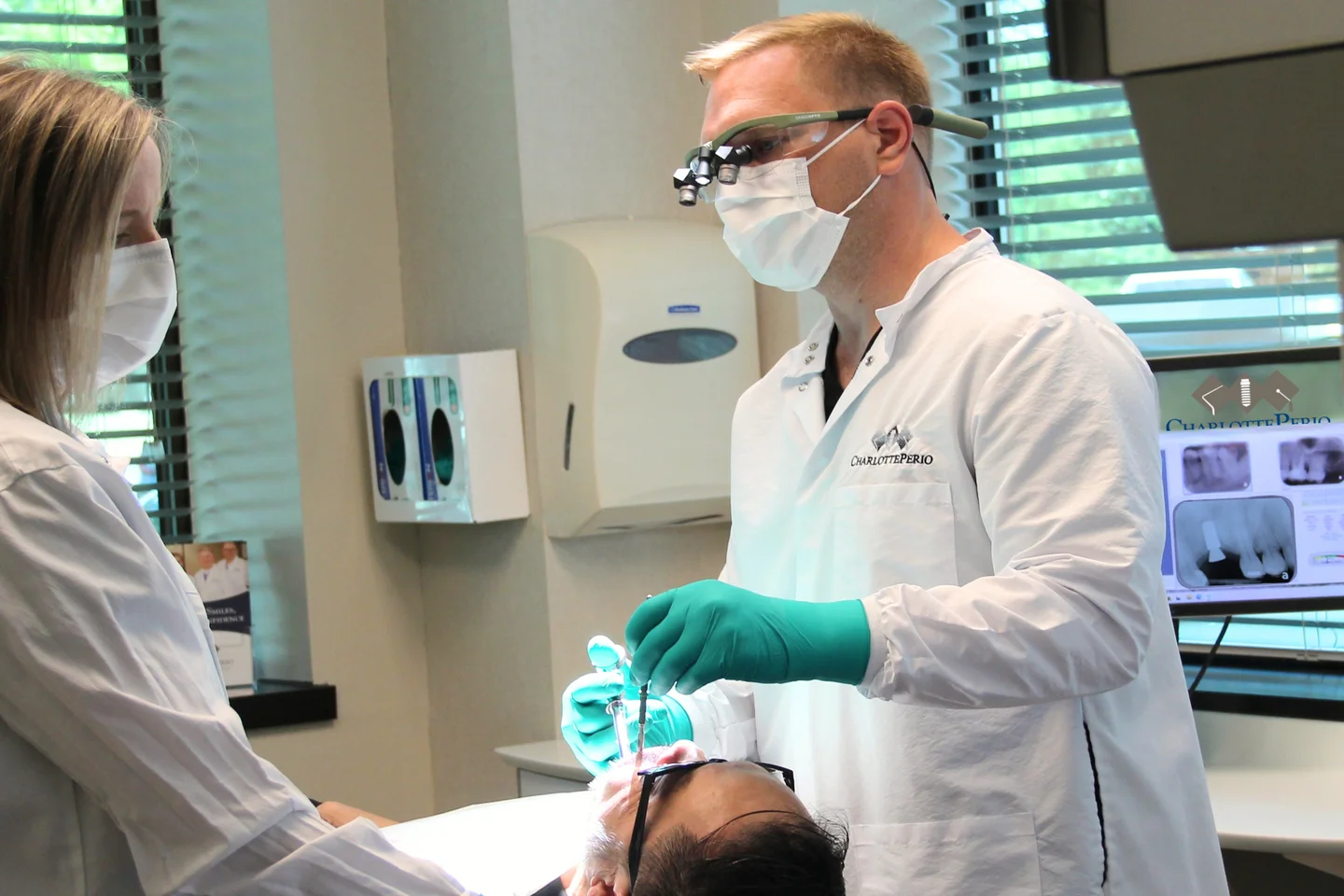
"When will I feel normal again?" It's one of the first questions many patients ask after deciding to move forward with a dental implant, and it's a great question. Any surgical procedure comes with a recovery period, and understanding what to expect can help you feel more confident throughout the healing process.
For more than 50 years, CharlottePerio has guided patients through every stage of dental implant treatment, helping them understand not only what happens during recovery, but why healing takes time. Patients who know what to expect are often better prepared for the healing process, recognize what's normal, and understand when to contact our team with questions or concerns.
Here's what you can expect during each stage of recovery.
Key Takeaways
- Initial surgical recovery (swelling, soreness) typically lasts 3 to 7 days.
- Full bone healing (osseointegration) takes 3 to 6 months before the implant is ready to support a permanent crown.
- Most patients return to work and normal routines within 1 to 3 days.
- Diet restrictions are usually only strict for the first 1 to 2 weeks.
- Recovery time varies for every patient and depends on factors such as bone health, whether bone grafting was performed, your body's natural healing response, and lifestyle factors like smoking.
What Does "Recovery" Actually Mean With a Dental Implant?
Dental implant recovery involves two separate healing processes: the short term healing of the gum tissue at the surgical site and the long term process of the jawbone fusing to the implant, known as osseointegration.
Understanding this distinction is important. While many patients begin feeling much better within the first week after surgery, the implant is still healing beneath the surface. The long term success of a dental implant depends on allowing the jawbone adequate time to integrate with the implant before it is restored.
Recovery Timeline: Week by Week
Days 1 to 3: The First Few Days
Swelling, mild bruising, and tenderness are most common during the first few days after surgery. Most patients manage any discomfort with over the counter or prescribed pain medication, and ice packs can help minimize swelling during the first 24 to 48 hours.
During this time, you'll follow a soft food diet that may include foods such as yogurt, mashed potatoes, scrambled eggs, smoothies, and soup. Many patients return to work within one to two days, although your recovery may vary depending on the complexity of your procedure.
Days 4 to 7: Continued Healing
Swelling and tenderness typically improve significantly by the fourth or fifth day. If non dissolvable sutures were placed, they are often removed about one week after surgery.
By the end of the first week, most patients feel much more comfortable and are able to return to many of their normal daily activities. Even though you may feel well, the implant is still undergoing important healing beneath the surface.
Weeks 2 to 4: Gum Tissue Healing
During this stage, the gum tissue continues to heal around the implant site. You can often begin expanding your diet, although hard, crunchy, or chewy foods near the implant should still be avoided until your periodontist advises otherwise.
We'll also schedule follow up visits to evaluate your healing and ensure everything is progressing as expected.
Months 1 to 6: Osseointegration
This is the most important phase of the recovery process. During osseointegration, the jawbone gradually bonds with the surface of the titanium implant, creating the stable foundation needed to support your final restoration.
According to the Academy of Osseointegration, this process typically takes between three and six months. Healing times vary from patient to patient, and implants in the lower jaw may integrate more quickly than those in the upper jaw because the bone is often denser.
At CharlottePerio, we carefully monitor healing and determine the right time to move forward based on your individual progress rather than a predetermined timeline.
Month 3 to 6 and Beyond: Your Final Restoration
Once your implant has fully integrated with the jawbone, your restorative dentist will attach the abutment and place your custom restoration. At that point, your dental implant is ready to function like a natural tooth, allowing you to eat, speak, and smile with confidence.
Factors That Can Speed Up or Slow Down Recovery
Not everyone heals on the exact same schedule, and being upfront about that is part of giving you an honest picture.
Factors that tend to speed up recovery:
- Strong existing bone density (no grafting needed)
- Non-smoking status
- Good oral hygiene habits
- Well-managed overall health (e.g., controlled blood sugar)
Factors that tend to extend recovery:
- Bone grafting performed alongside or before implant placement
- Smoking, which significantly restricts blood flow needed for healing
- Uncontrolled diabetes or certain autoimmune conditions
- Multiple implants placed at once
No two patients heal exactly the same. Recovery depends on several factors, including your overall health, the condition of your jawbone, whether a tooth extraction or bone grafting was needed, and your body's natural healing response. That's why a comprehensive consultation and 3D cone beam CT imaging are essential before treatment begins. They allow us to develop a personalized treatment plan and provide realistic expectations for your recovery.
Why Working With a Periodontist Matters for Recovery
A periodontist's advanced training in the gums, jawbone, and supporting structures of the teeth plays an important role in both successful implant placement and the healing process. At CharlottePerio, our Board Certified periodontists use advanced technology, careful treatment planning, and precise surgical techniques to help create the best possible environment for long term implant success.
We also work closely with your general dentist throughout your care. Your periodontist performs the surgical procedures, while your restorative dentist designs and places your final restoration. This interdisciplinary approach is considered the gold standard in implant dentistry and helps ensure every aspect of your treatment is carefully coordinated.
When to Contact Your Periodontist During Recovery
Most patients heal without complications, but it's important to know when to contact your care team.
Please call our office if you experience:
- Pain that worsens after the first few days instead of continuing to improve
- A fever or signs of infection, such as increasing swelling, drainage, or redness
- Persistent numbness that lasts longer than expected
- Any movement or looseness of the dental implant
These symptoms do not always indicate a serious problem, but they should be evaluated promptly. Early assessment and treatment can often prevent more significant complications and help keep your recovery on track.
Frequently Asked Questions
How long until I can eat normally after dental implant surgery?
Most patients follow a soft food diet for the first one to two weeks after surgery, then gradually return to a more normal diet as the gum tissue heals. Hard, crunchy, or chewy foods should be avoided near the implant site until your periodontist determines the area has healed appropriately. Once osseointegration is complete and your final restoration is placed, you can typically return to normal chewing.
Why does dental implant recovery take longer than a tooth extraction?
While the initial healing after implant surgery is often similar to a tooth extraction, dental implants require an additional step called osseointegration. During this process, the jawbone gradually fuses with the implant to create a stable foundation for your replacement tooth. This natural healing process takes time and is essential for the long term success of the implant.
Who is at higher risk for a longer or more complicated recovery?
Several factors can influence healing, including smoking, uncontrolled diabetes, certain medical conditions, and the need for bone grafting. During your consultation, we'll review your medical history, evaluate your oral health, and develop a personalized treatment plan designed to support a healthy recovery.
When can I go back to work after getting a dental implant?
Many patients return to desk jobs within one to two days after implant surgery. If your job involves heavy lifting or strenuous physical activity, your periodontist may recommend waiting a few additional days to protect the surgical site. Your recovery recommendations will be based on your individual procedure and overall health.
What does successful osseointegration actually feel like?
Most patients don't feel osseointegration as it happens. Because the healing occurs beneath the gum tissue, it usually isn't associated with any specific sensation. Instead, your periodontist monitors the healing process through follow up visits, clinical evaluations, and imaging to confirm the implant is integrating successfully.
How do I know if my dental implant recovery is progressing normally?
Gradually improving comfort, along with decreasing swelling and tenderness during the first week, are encouraging signs that healing is progressing as expected. If pain, swelling, numbness, or other symptoms worsen instead of improving, contact your periodontist so your recovery can be evaluated.
The Bottom Line
Recovery after dental implant surgery happens in stages. While the gum tissue often heals within the first few weeks, the jawbone continues to strengthen and integrate with the implant over the following months. Understanding this timeline can help you feel more confident throughout the healing process and know what to expect every step of the way.
If you're considering dental implants in Charlotte, our Board Certified periodontists are here to answer your questions, explain your treatment options, and guide you through every stage of care. For more than 50 years, CharlottePerio has been committed to providing specialized periodontal care with advanced technology, personalized treatment planning, and close collaboration with your general dentist. Our goal is to help you restore your smile with results that support your long term oral health.
Contact Us
We provide exceptional dental care tailored to your needs.
Contact Us at: (704) 365-0123
Fax: (704) 364-8640
Email: info@charlotteperio.com
Get in Touch
*Name
*Your Email
*Your Phone Number
Additional Information

Our Professional Affiliations



© 2026 CharlottePerio. All Rights Reserved | Notice of Privacy Practices | Digital Marketing by Remedo