


How Much Do Full Mouth Dental Implants Cost? What You Should Know Before Your Consultation
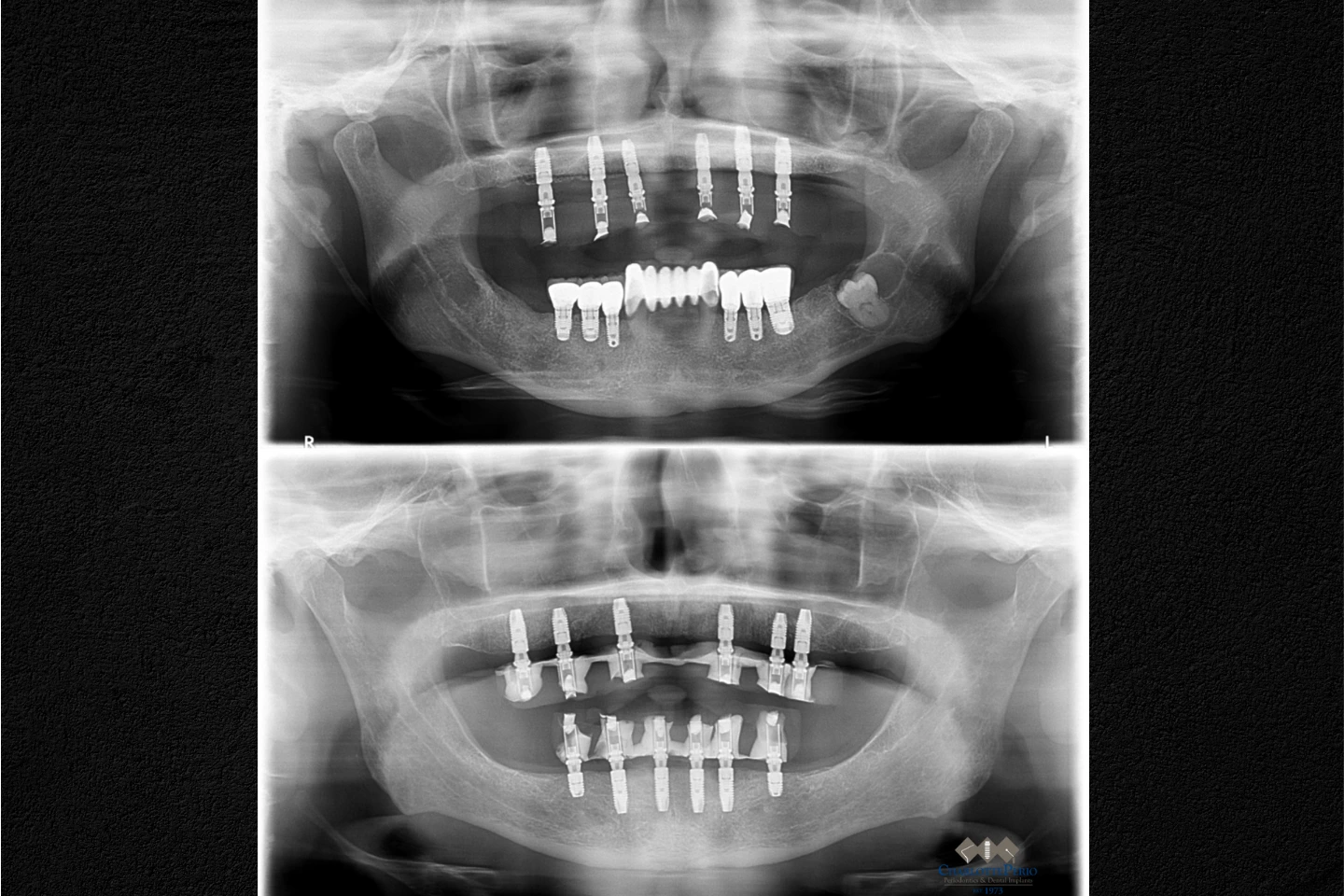
If you've lost most or all of your teeth, you already know the impact it can have on everyday life: eating, speaking, smiling, even feeling confident in a room full of people. Full mouth dental implants can be a life-changing solution, but one of the first questions most patients ask is a very practical one: how much is this going to cost?
The short answer? It depends. The full mouth dental implants cost can vary widely from patient to patient, and understanding what drives that variation can help you have a more productive conversation with your periodontist. This article breaks down what to expect, what affects pricing, and how to make the process more manageable financially.
What Is the Average Cost of Full Mouth Dental Implants?
Full mouth dental implants are not a one-size-fits-all treatment, so there is no single national average that applies to every case. The total cost of full mouth dental implants depends on the number of implants needed, the type of restoration chosen, the materials used, and additional procedures your oral health may require.
Rather than giving a number that may not reflect your situation, the most reliable way to understand your cost is through a personalized treatment plan from an experienced implant specialist. A detailed consultation with imaging and an oral health evaluation will give you a much clearer picture.
Why Does the Cost of Full Mouth Dental Implants Vary?
Several factors can influence the overall full mouth dental implants cost:
- Type of treatment: Whether you need individual implants for each missing tooth, or a fixed full arch solution like All-on-4, will significantly affect the price.
- Number of implants: More implants generally mean higher surgical and material costs.
- Restoration material: Zirconia and porcelain prosthetics may cost more than acrylic alternatives but may also offer greater durability and aesthetics.
- Bone health: Patients with significant bone loss may need bone grafting or sinus lifts before implant placement; these are separate procedures with their own costs.
- Extractions: If you still have failing or damaged teeth that need to be removed before implant placement, extraction fees may be added.
- Sedation or anesthesia: Depending on the complexity of your case and personal comfort, sedation options can affect the total price.
- Dental technology: Practices that use 3D CBCT imaging or computer-guided implant placement may charge more, though this technology can improve precision and outcomes.
- Specialist vs General Dentist: A highly experienced implant specialist, such as a periodontist, may charge more than a general dentist due to their advanced education, specialized training, and extensive experience in implant dentistry.
Full Arch Dental Implants vs Full Mouth Dental Implants
These two terms are sometimes used interchangeably, but there is a distinction worth knowing.
Full arch dental implants refer to replacing all the teeth on either the upper or lower jaw. Full mouth dental implants typically means replacing all teeth on both arches top and bottom. If you only need one arch treated, your permanent teeth replacement cost may be lower than if both arches require restoration.
During your consultation, your dentist will evaluate your specific needs and help you understand which option is appropriate for your oral health situation.
How All-on-4 Dental Implants Affect Cost
All-on-4 is one of the most widely recognized full arch implant solutions. The concept involves placing four strategically angled implants in each jaw to support a full fixed bridge of teeth. Because it requires fewer implants than placing one per tooth, All-on-4 dental implants cost may be more accessible than traditional individual implant placement for a full arch.
That said, the All-on-4 cost still varies based on the same factors mentioned above: bone health, materials, the need for additional procedures, and the experience of your dental team. It is not universally cheaper for every patient; someone with significant bone loss may still require grafting even with this technique.
Your dentist can help you determine whether All-on-4 or another implant approach is better suited to your oral health and budget.
What Is Usually Included in the Cost?
A full-mouth dental implant treatment quote may include several components. Ask your implant specialist to walk you through a detailed breakdown, which could include:
- Implant fixtures (the titanium posts placed into the jawbone)
- Abutments (the connectors between implants and the final restoration)
- Crowns, bridges, or full arch prosthetics
- Surgical placement fees
- Pre-treatment imaging such as X-rays or 3D CBCT scans
- Follow-up appointments during the healing period
Keep in mind that not every practice packages these the same way. Some may quote a comprehensive all-in fee; others may list components separately. Always ask for an itemized estimate so you can compare quotes accurately.
Extra Treatments That May Increase the Cost
Depending on your current oral health, some patients may need additional procedures before implants can be placed:
- Bone grafting: If you have experienced significant jawbone loss, grafting may be needed to build up enough bone to support implants securely.
- Sinus lift: For implants in the upper back jaw, a sinus lift may be necessary if sinus space is limited.
- Tooth extractions: Any remaining damaged or infected teeth will typically need to be removed before or during the implant process.
- Gum disease treatment: Active periodontal disease should usually be resolved before implants are placed.
These procedures each come with their own costs and recovery timelines. Your dentist will let you know during the evaluation whether any of these apply to your case.
Are Affordable Full Mouth Dental Implants Possible?
Patients often search for affordable full mouth dental implants and that's a completely understandable goal. It is worth knowing, however, that extremely low prices do not always reflect lower quality care. They may also reflect differences in materials, technology, experience, or the scope of what is included.
Choosing a provider based primarily on the lowest quote may carry risks. Implant placement is a surgical procedure, and outcomes can be significantly affected by the quality of the implants used, the precision of placement, and the thoroughness of post-treatment care.
Rather than searching for the cheapest option, it may serve you better to look for a provider who offers transparent pricing, a detailed treatment plan, and clear communication about what is and is not included.
Dental Implant Financing Options
For many patients, the upfront cost of full mouth dental implants feels out of reach, but dental implant financing may help make treatment more manageable. Options to explore include:
- In-house payment plans: Many dental practices offer their own installment plans, allowing you to spread the cost over time.
- Third-party financing: Companies like CareCredit or Lending Club Patient Solutions work with dental offices to offer financing with various repayment terms.
- Health Savings Accounts (HSA) or Flexible Spending Accounts (FSA): If you have one of these through your employer, funds may be applicable toward dental implant costs. Check with your plan administrator to confirm eligibility.
- Dental insurance: Traditional dental insurance may not fully cover implants, but it may cover components like extractions, bone grafting, or crowns. Check your plan carefully.
Ask your dental office about the financing options they work with. Understanding your monthly payment options may make the decision easier to move forward with.
Are Full Mouth Dental Implants Worth It?
Cost is only one side of the equation. Many patients who undergo full mouth dental implant treatment report meaningful improvements in their ability to eat comfortably, speak clearly, and feel more confident. Unlike removable dentures, implant-supported restorations are fixed in place and do not require adhesives or nightly removal.
From a long-term oral health standpoint, dental implants also help preserve jawbone structure. When teeth are lost, the underlying bone can gradually shrink over time, a process that implants may help slow by providing ongoing stimulation to the bone.
Whether the investment is right for you depends on your overall health, oral health status, personal goals, and financial situation. Your dentist is the best person to help you weigh those factors in context.
When Should You Speak With an Implant Specialist?
If you've been considering full mouth dental implants and want to understand what treatment would look like for your specific situation, the right next step is a consultation. A qualified periodontist can evaluate your bone density, overall oral health, and treatment goals then provide a personalized cost estimate rather than a general figure.
Schedule a dental implant consultation to get a personalized treatment plan and cost estimate tailored to your needs.
Frequently Asked Questions
Q: How much are full mouth dental implants?
A: The cost of full mouth dental implants varies significantly depending on the type of treatment, materials used, number of implants, and whether additional procedures like bone grafting are needed. A personalized consultation with a periodontist is the most reliable way to get an accurate cost estimate for your situation.
Q: Why are full mouth dental implants expensive?
A: Full mouth dental implants involve a surgical procedure, specialized materials, advanced imaging technology, and often multiple appointments over an extended treatment period. The level of skill, time, and technology involved contributes to the overall investment.
Q: Is All-on-4 cheaper than traditional full mouth implants?
A: All-on-4 may have a lower total cost than placing individual implants for every missing tooth, because it uses fewer implants to support a full arch prosthetic. However, the final cost still depends on your specific oral health needs, and it is not cheaper for every patient.
Q: Can I finance full mouth dental implants?
A: Yes, many dental practices offer financing options or work with third-party financing companies to help patients manage the cost over time. HSA and FSA funds may also be applicable. Ask your dental office about available options.
Q: Are full mouth dental implants worth the cost?
A: For many patients, full mouth dental implants offer long-term benefits including improved comfort, better function, and support for jawbone health. Whether the investment makes sense for you depends on your oral health, goals, and financial situation. A dentist can help you evaluate this.
Conclusion
Understanding the full mouth dental implants cost starts with recognizing that no two cases are alike. The right treatment for you depends on factors that only a thorough dental evaluation can reveal. Use this article as a starting point to ask better questions during your consultation and take that first step toward understanding your options with confidence.
Contact Us
We provide exceptional dental care tailored to your needs.
Contact Us at: (704) 365-0123
Fax: (704) 364-8640
Email: info@charlotteperio.com
Get in Touch
*Name
*Your Email
*Your Phone Number
Additional Information

Our Professional Affiliations




© 2026 CharlottePerio. All Rights Reserved | Notice of Privacy Practices | Digital Marketing by Remedo