


Who Is a Good Candidate for Dental Implants?
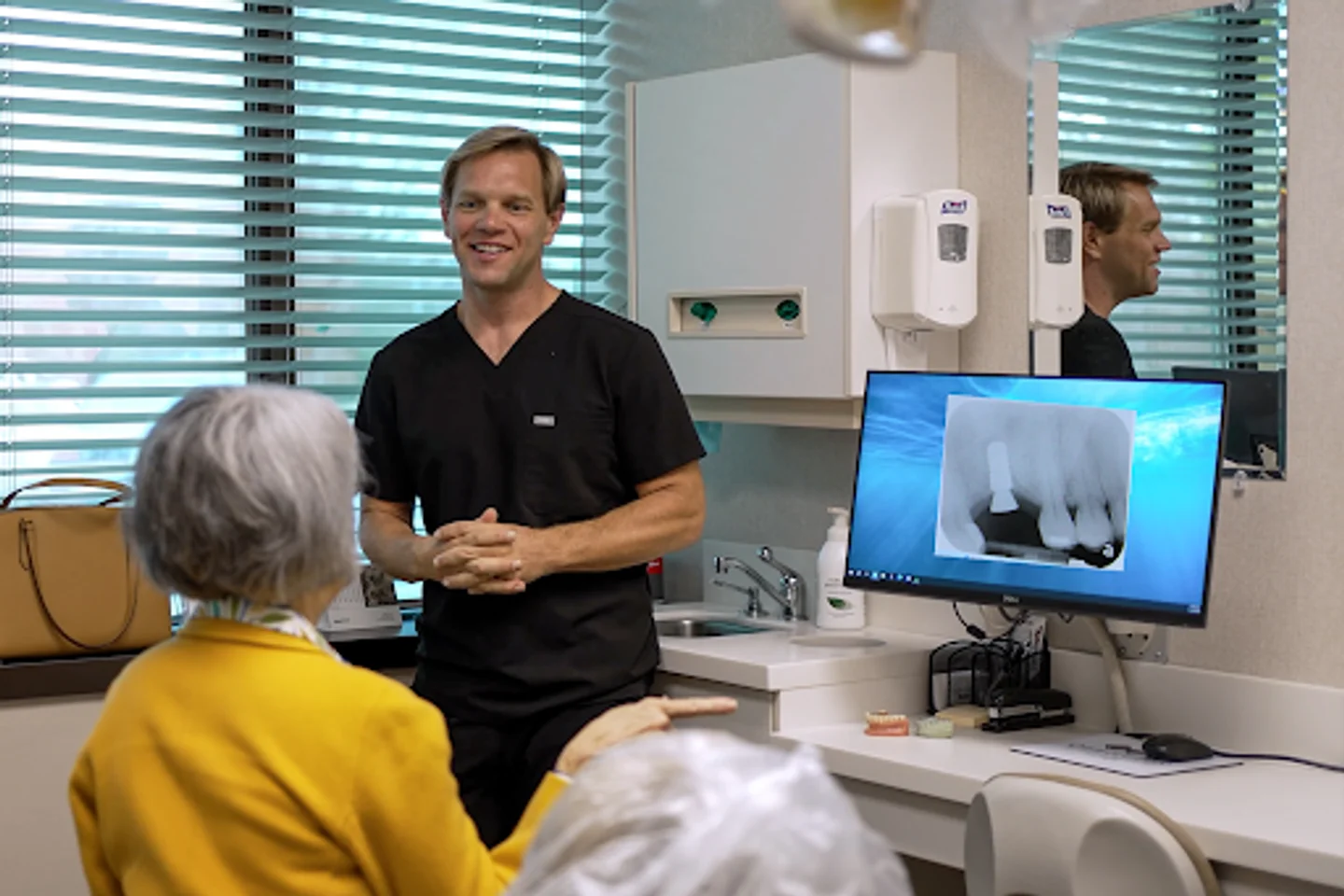
If you're missing one or more teeth, you've likely heard that dental implants are the gold standard for replacing them. While implants are an excellent long-term solution for many patients, one of the first questions we hear during an implant consultation is, "Am I a candidate for dental implants?"
The answer depends on several factors, including your oral health, bone support, medical history, and treatment goals. At CharlottePerio, we've been helping patients restore their smiles for more than 50 years. During your consultation, we perform a comprehensive evaluation to determine whether dental implants are the right option for you. Careful planning is one of the most important factors in long-term implant success, and every treatment recommendation is tailored to your unique needs.
Let's take a closer look at what makes someone a good candidate for dental implants, the factors that may influence treatment, and how careful planning and preparatory procedures can often help patients become candidates for implant therapy.
Key Takeaways
- Most healthy adults with one or more missing teeth are good candidates for dental implants.
- Adequate jawbone density is the single most critical physical requirement — without enough bone, the implant has nothing to anchor to.
- Healthy gums free of active periodontal disease are essential before implant placement.
- Smoking, uncontrolled diabetes, and certain medications can significantly reduce implant success rates and must be addressed first.
- Age is a consideration for younger patients because dental implants should not be placed until jaw growth is complete, typically in the late teens to early 20s. For adults, however, there is no upper age limit for implant treatment. Many older adults are excellent candidates, and eligibility is based on overall health, bone quality, and gum health, not age alone.
- Many "disqualifying" factors are temporary or treatable. Bone grafting, gum disease treatment, and medical management can make previously ineligible patients excellent candidates.
- A board-certified periodontist is the most qualified specialist to evaluate implant candidacy and perform the procedure.
What Is a Dental Implant Candidate?
A dental implant candidate is someone who has one or more missing teeth, sufficient jawbone volume and density, healthy gum tissue, and no uncontrolled systemic conditions that would impair healing or osseointegration.
Think of the requirements in two categories: structural (what's happening in your jaw and gums) and systemic (what's happening in your body overall). Both have to be in good shape, or brought into good shape, for an implant to succeed long-term.
The Core Requirements for Dental Implant Candidacy
Sufficient Jawbone Density and Volume
This is the foundation of everything. The titanium implant post must fuse with your jawbone in a process called osseointegration and that fusion is only possible if there's enough healthy bone to work with.
When a tooth is lost, the jawbone beneath it begins to resorb (shrink) almost immediately. According to research published in Clinical Implant Dentistry and Related Research, the jaw can lose up to 25% of its bone width in the first year after tooth loss alone. This is one of the strongest reasons not to wait too long after losing a tooth before exploring implant options.
The good news: insufficient bone doesn't automatically disqualify you. Bone grafting procedures can rebuild lost bone volume and create a viable foundation for implant placement. We perform bone grafts routinely at CharlottePerio, and many patients who initially came to us believing implants weren't possible for them went on to receive successful implants after grafting.
Healthy Gum Tissue
Healthy gums provide the foundation for a successful dental implant. If you have active periodontal (gum) disease, it must be treated and brought under control before implant placement. Inflammation and infection can compromise healing and increase the risk of implant complications.
At CharlottePerio, periodontal health is always our starting point. Before recommending dental implants, we carefully evaluate your gums and supporting tissues to ensure they are healthy enough for long-term success. If gum disease is present, we'll develop a treatment plan to restore your periodontal health before moving forward with implant therapy.
Good General Oral Health
A healthy mouth contributes to the long-term success of dental implants. In addition to evaluating the area where the implant will be placed, we assess the health of your remaining teeth, existing restorations, bite, and surrounding tissues. Addressing issues such as untreated decay, failing dental work, or bite concerns before implant treatment helps create the best possible environment for a predictable, long-lasting result.
Commitment to Oral Hygiene and Maintenance
Dental implants require the same daily care as natural teeth. Brushing, flossing, and keeping up with regular periodontal maintenance or professional cleanings are essential for maintaining healthy gums and supporting the long-term success of your implant.
At CharlottePerio, we believe successful implant treatment is a partnership. We provide expert surgical care, careful treatment planning, and ongoing support, while you play an important role by maintaining excellent oral hygiene and attending your recommended follow-up visits. Together, we can help your dental implant remain healthy and functional for many years to come.
Who Makes an Ideal Dental Implant Candidate?
The ideal dental implant candidate checks most or all of the following boxes:
- Has one or more missing teeth (or teeth that are failing and need extraction)
- Is a non-smoker or willing to abstain before and during healing
- Has adequate bone density at the implant site, confirmed by 3D cone beam CT imaging
- Has healthy gums with no active periodontal disease
- Is in generally good health with no uncontrolled systemic conditions
- Is past the age of jaw maturity (typically 17–21 depending on the individual)
- Is committed to excellent oral hygiene and regular dental visits
- Has realistic expectations about the timeline, process, and outcomes
If this sounds like you, you may be an excellent candidate for dental implants. The next step is a comprehensive evaluation with one of our board-certified periodontists, who will assess your oral health, bone support, and treatment goals to develop a personalized plan for your smile.
Factors That Complicate Dental Implant Candidacy
While many patients are good candidates for dental implants, certain health conditions and lifestyle factors may require additional evaluation or treatment before implant placement. In most cases, these factors do not prevent someone from receiving dental implants—they simply mean more careful planning is needed to help achieve the best possible outcome.
Smoking and Tobacco Use
Smoking is one of the most significant lifestyle factors that can affect the success of dental implants. Tobacco use reduces blood flow to the gums, slows healing, and increases the risk of infection and peri-implant disease, all of which can interfere with the implant's ability to heal properly. Research published in the International Journal of Oral and Maxillofacial Implants found that smokers have implant failure rates two to three times higher than non-smokers.
If you smoke, it doesn't automatically mean you're not a candidate for dental implants. However, quitting or even temporarily stopping before surgery and during the healing period can significantly improve your chances of successful treatment. During your consultation, we'll discuss how tobacco use may affect your treatment plan and provide recommendations to help optimize your outcome.
Diabetes
Having diabetes does not automatically disqualify you from receiving dental implants. Many patients with diabetes enjoy long-term implant success, particularly when their blood sugar is well controlled. Patients with well-managed diabetes (typically demonstrated by an HbA1c below 7–8%) can achieve implant success rates comparable to non-diabetic patients, according to a systematic review in the Journal of the American Dental Association.
Because diabetes can affect healing and increase the risk of infection, we carefully review your medical history and may coordinate with your physician to ensure your condition is well managed before surgery. Careful planning and good overall health help create the best environment for predictable healing and long-term implant success.
Bone Loss from Tooth Extraction or Gum Disease
As mentioned earlier, bone loss is very common — especially in patients who have been missing teeth for a while or who have a history of periodontal disease. This is one of the most frequently encountered challenges we address at CharlottePerio.
Bone grafting solutions include:
- Socket preservation grafts — placed immediately after tooth extraction to prevent bone collapse
- Ridge augmentation — rebuilds bone width and height along the jaw
- Sinus lift procedures — adds bone volume in the upper jaw near the sinuses
- Block bone grafts — for cases requiring more significant reconstruction
Fortunately, insufficient bone doesn't automatically rule out dental implants. Modern bone grafting techniques allow us to rebuild lost bone in many cases, creating the stable foundation needed for long-term implant success.
Certain Medications
Some medications can interfere with bone healing and implant integration. The most significant are bisphosphonates — drugs used to treat osteoporosis (brand names include Fosamax, Boniva, and Zometa). These medications alter bone metabolism in ways that can impair healing after implant placement and, in rare cases, lead to a serious condition called osteonecrosis of the jaw.
Other medications worth disclosing to your periodontist include:
- Blood thinners (anticoagulants)
- Immunosuppressants
- Long-term corticosteroids
- Some antidepressants (there is emerging research linking certain SSRIs to reduced bone density)
- Chemotherapy agents
During your consultation, we'll review your complete medical history, including all prescription medications, over-the-counter medications, and supplements. This information helps us tailor your treatment plan and ensure your dental implant procedure is as safe and predictable as possible.
Radiation Therapy to the Head or Neck
If you've received radiation therapy to the head or neck, it's important to let us know during your consultation. Radiation can affect the bone and surrounding tissues, which may influence healing after dental implant surgery.
This doesn't necessarily mean dental implants aren't an option. Our periodontists will carefully review your medical history, evaluate your bone quality, and, when appropriate, coordinate with your medical team to determine the safest and most predictable treatment approach.
Autoimmune and Clotting Disorders
Certain medical conditions, including autoimmune diseases and bleeding disorders, may require additional planning before dental implant treatment. Depending on your diagnosis and overall health, these conditions can affect healing or the way your body responds to surgery.
During your consultation, we'll review your medical history, medications, and any recommendations from your physician or specialist. In many cases, patients with these conditions can successfully receive dental implants with thoughtful treatment planning and close collaboration between their healthcare providers.
Age and Dental Implant Candidacy
The Minimum Age Question
Dental implants are generally not recommended for patients whose jawbones are still developing. Placing an implant in a growing jaw can result in it ending up out of alignment as the surrounding bone continues to change — effectively "anchoring" the implant in the wrong position.
Jaw growth typically completes around age 17–18 for girls and age 18–21 for boys, though a periodontist can confirm maturity through imaging. In the meantime, temporary solutions like retainers with a prosthetic tooth can preserve the space.
Is There a Maximum Age?
No. There is no upper age limit for dental implants. Many healthy adults in their 70s, 80s, and even 90s are excellent candidates and enjoy the benefits of a confident smile, improved chewing function, and a better quality of life.
Rather than focusing on age, we evaluate your overall health, bone support, gum health, and any medical conditions that could affect healing. While older adults may have additional health considerations or require more individualized treatment planning, age alone is rarely a reason someone cannot receive dental implants.
If you're wondering whether you're "too old" for dental implants, the answer is usually no. A comprehensive evaluation with one of our board-certified periodontists is the best way to determine whether implant treatment is right for you.
The Evaluation Process: What to Expect
If you're wondering whether you're a good candidate, here's what a proper implant evaluation looks like:
- Comprehensive medical and dental history review — including all medications, health conditions, and past dental treatments
- Full oral examination — assessing gum health, bite, adjacent teeth, and overall oral hygiene
- 3D cone beam CT scan — the gold standard for measuring bone volume, density, and the precise anatomy of the implant site (including proximity to nerves and sinuses)
- Periodontal evaluation — to detect and grade any existing gum disease
- Discussion of goals and expectations — understanding what you want and mapping out a realistic path to get there
- Treatment planning — including any preparatory procedures (bone grafting, gum disease treatment) needed before implant placement
At CharlottePerio, our board-certified periodontists are committed to staying at the forefront of periodontal and implant care through continuing education and ongoing clinical research. Using advanced imaging technology and evidence-based treatment planning, we carefully evaluate every patient's unique needs before recommending treatment. Our goal is to create a personalized plan that provides the best opportunity for long-term implant success.
When Implants May Not Be the Right Choice
Dental implants are an excellent solution for many patients, but they aren't the best option in every situation. Our goal is to recommend the treatment that's most appropriate for your oral health, overall health, and long-term goals.
In some cases, dental implants may need to be delayed or may not be the ideal treatment option, including for patients who:
- Have a severely compromised immune system that could significantly affect healing.
- Are unable to maintain the oral hygiene and ongoing periodontal care needed to support a healthy implant.
- Are actively undergoing chemotherapy or radiation therapy and need additional healing time before implant treatment is considered.
- Have not yet completed jaw growth.
When dental implants aren't the right choice, there are often other effective ways to restore your smile. Depending on your needs, we may recommend alternatives such as a dental bridge, a removable partial denture, or an implant-supported denture when appropriate.
At CharlottePerio, every treatment recommendation is based on what's best for you—not a one-size-fits-all approach. We'll take the time to explain your options, answer your questions, and help you make an informed decision that supports your long-term oral health.
The Bottom Line
Most adults are good candidates for dental implants, and many who are not initially candidates can become eligible with the right preparatory treatment. The first step is a comprehensive evaluation to assess your oral health, bone support, medical history, and treatment goals.
At CharlottePerio, we've been helping patients restore healthy, confident smiles for more than 50 years. Whether you've recently lost a tooth or have been living with a missing tooth for many years, our board-certified periodontists will take the time to understand your unique needs, answer your questions, and develop a personalized treatment plan.
If you're considering dental implants, we invite you to schedule a consultation to learn whether they're the right solution for you. Together, we'll explore your options and help you make an informed decision about your long-term oral health.
Frequently Asked Questions
Who is the best candidate for dental implants?
The best dental implant candidate is a non-smoking adult with good general health, sufficient jawbone volume and density, healthy gum tissue free of active periodontal disease, and a strong commitment to oral hygiene. That said, "best candidate" doesn't mean perfect health — it means the risks and benefits have been carefully weighed, any preparatory treatments have been completed, and the patient and surgical team have a clear plan for long-term success.
What disqualifies someone from getting dental implants?
Very few conditions are absolute disqualifications. The most significant barriers include active, uncontrolled systemic disease (such as uncontrolled diabetes), severe bone loss without the ability to graft, active head and neck radiation treatment, and severe immunosuppression. Even heavy smoking or bone loss — which greatly increase risk — can often be addressed with lifestyle changes and preparatory procedures. A board-certified periodontist is the right person to make this determination.
How do I know if I have enough bone for a dental implant?
The only reliable way to know is through 3D cone beam CT imaging, which gives your surgical team a precise three-dimensional view of your bone volume, density, and anatomy. A standard X-ray is not sufficient for this assessment. If you don't have enough bone, bone grafting can often rebuild the necessary volume over a healing period of several months.
Can I get dental implants if I have gum disease?
Healthy gums are essential for successful dental implants. If you have active periodontal (gum) disease, it should be treated and brought under control before implant placement. Infection and inflammation can affect healing and increase the risk of complications around the implant.
At CharlottePerio, periodontal health is always our first priority. Our board-certified periodontists will evaluate your gums, bone, and supporting tissues, then develop a treatment plan to restore your periodontal health before moving forward with implant therapy. With more than 50 years of experience treating gum disease and placing dental implants, we're committed to creating the healthiest possible foundation for long-term implant success.
How long does the dental implant process take from evaluation to final crown?
The timeline for dental implant treatment varies depending on your individual needs and whether any preparatory procedures are required. In general, the process takes anywhere from three to twelve months from start to finish.
For patients with healthy gums and adequate bone, treatment may be completed in as little as three to six months. If procedures such as bone grafting, sinus augmentation, or periodontal therapy are needed before implant placement, the overall timeline may be closer to a year.
While every patient hopes for a quick result, successful dental implants require adequate time for healing. Allowing the bone and surrounding tissues to heal properly creates a strong, stable foundation and is one of the most important factors in achieving long-term implant success.
Can older adults get dental implants?
Absolutely. There is no maximum age for dental implants. Healthy older adults achieve excellent implant outcomes, and in fact, implants offer particular benefits for older patients by preserving jawbone, improving nutrition through better chewing ability, and supporting facial structure. The evaluation process for older adults simply gives more attention to systemic health conditions and medications that may influence the surgical and healing process.
Why should I see a periodontist for dental implants instead of a general dentist?
A board-certified periodontist is a dental specialist with three additional years of postgraduate training specifically focused on the gum tissue, bone, and supporting structures that make implants possible. Periodontists are the specialists most deeply trained in the management of gum disease, bone grafting, and implant surgery. Not all general dentists have the surgical training or imaging technology to handle complex cases. For straightforward cases, a well-trained general dentist may be appropriate — but for anything involving bone loss, gum disease, or anatomical complexity, a periodontist offers a meaningfully higher level of expertise.
Contact Us
We provide exceptional dental care tailored to your needs.
Contact Us at: (704) 365-0123
Fax: (704) 364-8640
Email: info@charlotteperio.com
Get in Touch
*Name
*Your Email
*Your Phone Number
Additional Information

Our Professional Affiliations



© 2026 CharlottePerio. All Rights Reserved | Notice of Privacy Practices | Digital Marketing by Remedo