



Is a Gum Graft Painful? What Patients Can Expect
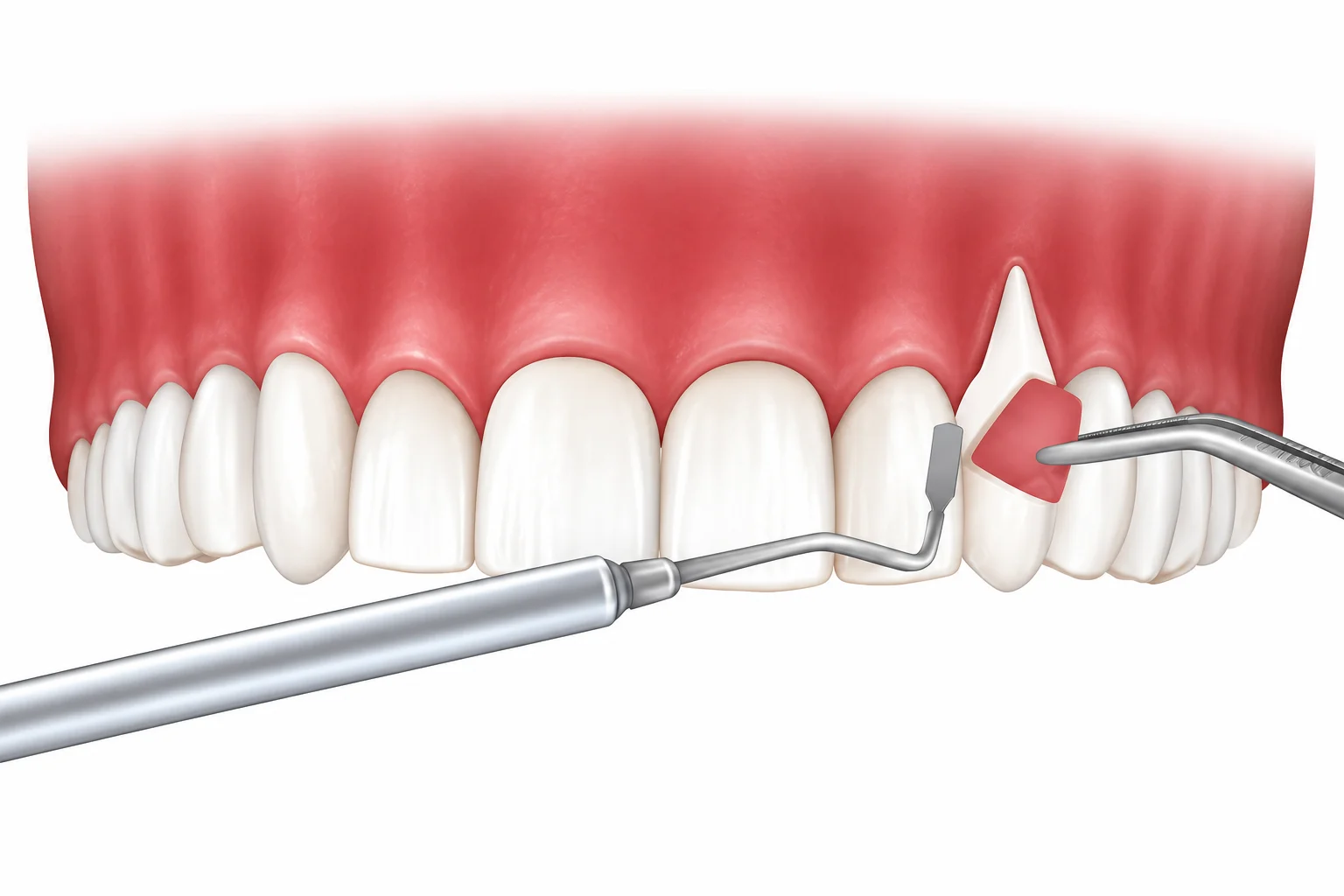
If your periodontist has recommended gum graft surgery, one of your first questions may be, “Is a gum graft painful?”
That is a reasonable question. Gum grafting is a surgical procedure involving the gum tissue, and knowing what discomfort to expect can make the experience feel much more manageable.
Local anesthesia is used to numb the treatment area and minimize discomfort during gum graft surgery. Patients may experience pressure or movement during the procedure, and some soreness or tenderness is common afterward. The amount of discomfort varies depending on the grafting technique, the number of areas treated, and individual healing.
At CharlottePerio, we believe patients should know what to expect before periodontal surgery, including both the benefits and the practical realities of recovery.
Is Gum Graft Surgery Painful?
During gum graft surgery, local anesthesia is used to numb the treatment area.
Local anesthesia is used to keep the treatment area numb and minimize discomfort. You may feel pressure or movement during the procedure. If you experience pain, let your periodontist know so your comfort can be assessed and the anesthesia adjusted when appropriate.
After the anesthesia wears off, it is normal to experience some soreness.
Mild soreness after gum graft surgery and notes that medications and postoperative instructions can help manage discomfort.
How Painful Is a Gum Graft After Surgery?
There is no universal pain level.
One patient may describe the recovery as mild soreness, while another may experience more noticeable tenderness for several days.
Several factors influence the experience.
The type of gum graft
Different gum grafting procedures affect different tissues.
For example, a connective tissue graft may involve a donor site on the palate. A graft using processed donor material may avoid creating a surgical donor site on the palate.
Because the procedures are different, the recovery experience can be different as well.
The number of teeth treated
A graft involving one localized recession may be easier to recover from than a procedure involving several teeth.
The larger the treatment area, the more swelling or tenderness you may experience.
The donor site
When tissue is harvested from the palate, you have both the recipient site and the donor site to heal.
This does not necessarily mean the recovery will be difficult, but the palate can be an important source of postoperative sensitivity or discomfort.
Individual healing
People experience and recover from surgery differently.
Your overall health, pain sensitivity, the surgical technique, and adherence to postoperative instructions can all influence recovery.
What Does Gum Graft Pain Feel Like?
Most patients describe postoperative discomfort as soreness or tenderness rather than severe pain.
You may notice:
- Tender gums
- Mild swelling
- Sensitivity
- Bruising
- Discomfort when eating
- Tenderness around the donor site if tissue was taken from the palate
These symptoms generally improve as healing progresses.
Your periodontist will provide instructions for managing discomfort and caring for the surgical area.
When Does Gum Graft Pain Usually Start?
You may experience little discomfort immediately after surgery while the local anesthesia is still working. As the numbness wears off, soreness or tenderness may develop around the treated area.
Your periodontist will provide instructions for managing discomfort, including when to begin any recommended medications. These recommendations may vary depending on the procedure, your medical history, and other medications you take.
Following your postoperative instructions can help you manage discomfort during the early healing period.
How Long Does Gum Graft Surgery Pain Last?
The most noticeable soreness is generally concentrated in the early part of recovery.
Gum graft recovery commonly takes about one to two weeks, although healing varies from person to person.
Pain and tenderness should generally trend toward improvement rather than become progressively worse.
If discomfort is increasing instead of improving, or if you develop significant swelling, persistent bleeding, fever, or drainage, contact your periodontal office.
Is the Palate Painful After a Gum Graft?
If tissue is taken from the roof of the mouth, the palate becomes a second surgical site.
Some patients find this area more noticeable than the treated tooth or gumline.
Your periodontist will explain how the donor site is protected and how to eat comfortably during the early healing period.
Soft foods are commonly recommended initially. You may also be instructed to avoid chewing directly over the surgical areas.
What Can I Eat After Gum Graft Surgery?
Your diet may need to change temporarily.
During the early recovery period, choose foods that are soft and easy to eat. Yogurt, eggs, pasta, cooked vegetables, soft fish, and other foods that require minimal chewing may be easier to tolerate.
Avoid foods that are hard, crunchy, sharp, spicy, or likely to disturb the surgical site until your periodontist says they are safe.
The purpose is not simply comfort. Protecting the graft during early healing is important.
Can I Brush My Teeth After a Gum Graft?
Yes, but not necessarily in the same way you brushed before surgery.
You will receive specific instructions about cleaning around the treated area. You may be asked not to brush or floss directly over the graft until the tissue has healed sufficiently.
You should generally continue cleaning the rest of your mouth unless your periodontist tells you otherwise.
Avoiding all oral hygiene because you are worried about disturbing the graft can allow plaque to accumulate elsewhere.
What Is the Gum Graft Recovery Timeline?
The first 24 hours
You may still have some numbness initially.
As the anesthesia wears off, soreness may develop. Mild swelling or bleeding can occur.
Rest and follow the postoperative instructions provided by your periodontist.
Avoid unnecessary activity and protect the surgical site.
The first several days
Swelling and tenderness may be most noticeable during this period.
The graft should not be disturbed with your fingers, tongue, toothbrush, or food.
Continue any medications or oral rinses exactly as instructed.
Around one week
Your periodontist may schedule a follow-up appointment to evaluate healing.
You may begin feeling considerably more comfortable, although the tissue is still healing.
Do not assume that because the area feels better, it is ready for normal brushing or hard foods. Follow your clinician's instructions.
Around two weeks
Many patients are approaching the end of the initial recovery period by this point. However, the exact timeline varies.
Recovery commonly takes approximately one to two weeks, with longer healing possible depending on the procedure and number of areas treated.
How Can I Reduce Gum Graft Pain?
The most useful steps are often straightforward.
Follow your postoperative instructions
Your periodontist knows exactly what procedure was performed and how the surgical site was treated.
Follow the instructions you receive rather than relying on generic internet advice.
Take medications as directed
If medication is recommended, use it according to the instructions provided.
Tell your clinician about medications, allergies, and health conditions that could affect medication choices.
Protect the graft
Do not pull at sutures, touch the graft, or repeatedly check the area with your tongue.
Avoid foods that could scrape or dislodge the healing tissue.
Rest during early recovery
Strenuous activity can increase bleeding, swelling, and discomfort.
Your periodontist will tell you when it is appropriate to resume exercise and other activities.
Keep your follow-up appointments
Follow-up visits allow your periodontist to check the graft and make sure healing is progressing as expected.
Is Gum Graft Surgery More Painful Than a Tooth Extraction?
It is difficult to make a meaningful comparison because the procedures are different.
Pain after dental surgery varies widely depending on the procedure, location, number of sites treated, and individual response.
Rather than assuming one procedure will be more painful than another, ask your periodontist what is typical for the specific graft planned for you.
What Are the Risks of Gum Graft Surgery?
As with any surgical procedure, gum grafting carries some potential risks.
Possible complications include infection, excessive bleeding, delayed or incomplete healing, and partial or complete graft failure. The risks vary depending on the procedure, the condition of the surrounding tissues, and individual healing factors.
Your periodontist will review the potential risks, benefits, and limitations of treatment before surgery.
What Symptoms Should I Report After Gum Graft Surgery?
Some changes in the appearance of the gum tissue are expected during healing. However, worsening pain, significant swelling, persistent bleeding, fever, unusual drainage, or concerns about the graft should be reported to your periodontist.
Your surgical team can determine whether the symptoms are part of normal healing or require further evaluation.
Can I Work After a Gum Graft?
Many people can return to work or school relatively quickly, particularly after a smaller procedure.
Many patients return to work or school within one to two days, although this varies depending on the procedure and individual circumstances.
If your job involves heavy physical activity, your periodontist may recommend additional time before returning to strenuous work.
When Should I Call My Periodontist After a Gum Graft?
Contact your periodontal office if you experience:
- Bleeding that does not stop with appropriate pressure
- Increasing rather than improving pain
- Significant swelling
- Pus or unusual drainage
- Fever
- A graft that appears to have become detached
- Any symptom that concerns you
It is better to ask than to wonder whether a postoperative change is normal.
What Are the Potential Benefits of Gum Grafting?
Gum grafting may be recommended to increase gum tissue thickness, provide coverage of exposed roots, reduce sensitivity, or address progressive recession.
The expected benefits depend on the condition of the surrounding tissues, the type of graft, and the goals of treatment. Not every area of gum recession requires surgery, and complete root coverage cannot be guaranteed.
Your periodontist can explain the anticipated benefits, limitations, and recovery considerations for your specific procedure.
Call Our Office to Schedule an Appointment
If gum grafting has been recommended and you have questions about discomfort or recovery, a conversation with your periodontist can help you understand the procedure and what to expect.
At CharlottePerio, our board-certified periodontists explain the treatment process, postoperative care, and individual considerations that may affect healing.
Contact CharlottePerio to schedule an evaluation or discuss your treatment options.
Frequently Asked Questions About Gum Graft Surgery Pain
Is a gum graft painful during the procedure?
The treatment area is numbed with local anesthesia, so you should not feel sharp pain during the procedure. You may feel pressure or movement.
How painful are gum grafts afterward?
Most patients experience some soreness or tenderness, but the intensity varies. The type of graft and number of teeth treated can affect recovery.
How many days does gum graft pain last?
Discomfort generally improves as the surgical site heals. Initial recovery commonly takes about one to two weeks, although individual experiences vary.
Is gum graft surgery worse than expected?
It is difficult to predict because pain perception varies. Knowing the recovery instructions beforehand and following them carefully can make the process more manageable.
What can I eat after gum graft surgery?
Soft foods are generally easier during the initial recovery period. Avoid hard, crunchy, spicy, or sharp foods until your periodontist clears you for them.
Can I exercise after gum graft surgery?
You may need to avoid strenuous activity temporarily because increased exertion can contribute to bleeding, swelling, or discomfort. Your periodontist will tell you when it is appropriate to resume exercise.
Can I brush after gum graft surgery?
You will generally continue cleaning unaffected areas, but you may need to avoid brushing directly over the graft until it has healed sufficiently. Follow your individual postoperative instructions.
How long does gum graft surgery take to heal?
Initial recovery is commonly around one to two weeks, but complete tissue maturation can take longer. Your follow-up appointments help determine how healing is progressing.
What if my gum graft hurts more after several days?
Pain that progressively worsens rather than improves should be discussed with your periodontist. Contact the office so the surgical site can be evaluated.
Can gum grafting be done without taking tissue from the palate?
In selected cases, a processed donor material may be used instead of harvesting tissue from the patient's palate. Your periodontist can explain which option is appropriate.
Contact Us
We provide exceptional dental care tailored to your needs.
Contact Us at: (704) 365-0123
Fax: (704) 364-8640
Email: info@charlotteperio.com
Get in Touch
*Name
*Your Email
*Your Phone Number
Additional Information

Our Professional Affiliations









© 2026 CharlottePerio. All Rights Reserved | Notice of Privacy Practices | Digital Marketing by Remedo