


What Does a Periodontist Do for Receding Gums?
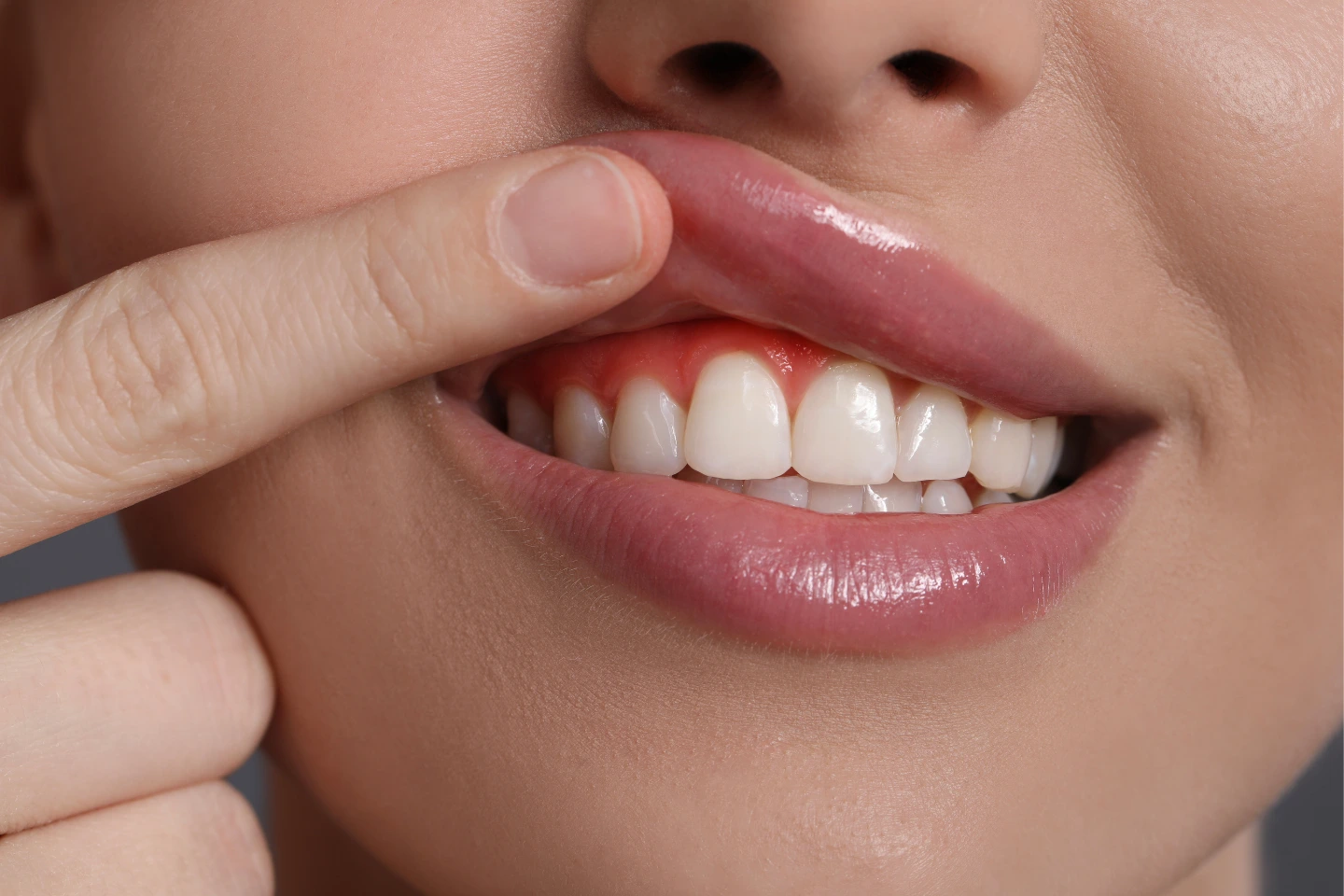
Receding gums are a common dental concern that many people notice gradually over time. Teeth may appear longer, sensitivity may increase, or the gumline may look uneven. While mild gum recession can sometimes be managed with routine dental care, more advanced cases require the expertise of a periodontal specialist.
At Charlotte Perio, we focus on diagnosing the cause of gum recession and providing advanced treatments to protect your teeth, restore gum health, and prevent further damage. This blog explains what gum recession is, why it happens, and how a periodontist treats receding gums.
What Are Receding Gums?
Gum recession occurs when the gum tissue surrounding the teeth pulls back or wears away, exposing more of the tooth or the tooth’s root. Unlike enamel, exposed roots are not protected and are more vulnerable to decay, sensitivity, and damage.
Receding gums typically develop slowly, which is why many patients do not realize there is a problem until noticeable symptoms appear.
Why Receding Gums Should Not Be Ignored
Gum recession is more than a cosmetic issue. When left untreated, it can lead to serious oral health problems.
Risks of Untreated Gum Recession
- Increased tooth sensitivity
- Higher risk of root cavities
- Greater chance of gum infection
- Progressive bone loss
- Loose teeth or tooth loss
Early evaluation by a periodontist can help prevent these complications and preserve long-term oral health.
Common Causes of Receding Gums
Understanding the cause of gum recession is critical for effective treatment. A periodontist begins by identifying what is contributing to the problem.
Frequent Causes Include
- Gum disease (periodontitis)
- Aggressive or improper brushing techniques
- Teeth grinding or clenching
- Misaligned teeth or bite issues
- Thin or naturally fragile gum tissue
- Tobacco use
Each cause requires a tailored treatment approach, which is where periodontal expertise becomes essential.
When Should You See a Periodontist for Receding Gums?
You should consider seeing a periodontist if you notice:
- Teeth that appear longer than before
- Exposed tooth roots
- Persistent tooth sensitivity
- Gumline changes that worsen over time
- Loose teeth or shifting bite
General dentists often refer patients to a periodontist when gum recession is moderate to severe or continues despite routine care.
How a Periodontist Evaluates Receding Gums
A periodontal evaluation is more detailed than a standard dental exam and focuses on the health of the gums and supporting bone.
What the Evaluation Includes
A periodontist will:
- Measure gum pocket depths
- Assess the amount of gum and bone loss
- Examine bite alignment and brushing habits
- Review medical history and risk factors
This comprehensive assessment allows the periodontist to determine both the severity and the underlying cause of gum recession.
Non-Surgical Treatments for Receding Gums
In early or mild cases, a periodontist may recommend non-surgical treatments to stabilize the gums and prevent further recession.
Professional Deep Cleaning
Scaling and root planing removes plaque and bacteria from below the gumline, allowing the gums to heal and reattach more securely.
Oral Hygiene Guidance
Patients may be taught gentler brushing techniques, advised to use softer toothbrushes, or recommended specialized toothpaste to reduce irritation and sensitivity.
Monitoring and Maintenance
Regular periodontal maintenance visits help control inflammation and prevent progression.
Surgical Treatments a Periodontist May Use
When gum recession is more advanced, surgical treatment may be necessary to restore gum tissue and protect the teeth.
Gum Grafting Procedures
One of the most common treatments for receding gums is gum grafting. This procedure involves placing healthy tissue over exposed roots to rebuild the gumline.
Benefits of gum grafting include:
- Coverage of exposed tooth roots
- Reduced sensitivity
- Improved gum health
- Enhanced smile appearance
- Protection against further recession
A periodontist carefully selects the type of graft based on your specific needs.
Treating the Underlying Cause of Recession
Effective periodontal care goes beyond treating symptoms. A key role of a periodontist is addressing the root cause of gum recession.
Addressing Contributing Factors
Treatment may include:
- Managing gum disease to stop inflammation
- Adjusting bite-related trauma
- Coordinating care for teeth grinding
- Recommending orthodontic evaluation if alignment is a factor
By addressing these issues, a periodontist helps ensure long-term success.
Receding Gums and Tooth Sensitivity
Tooth sensitivity is one of the most common complaints among patients with gum recession.
How Periodontal Care Helps
A periodontist may:
- Cover exposed roots through grafting
- Recommend desensitizing treatments
- Reduce inflammation that worsens sensitivity
Addressing recession often leads to significant improvement in comfort.
Can Receding Gums Grow Back on Their Own?
Gum tissue does not naturally regenerate once it has receded. While inflammation can improve with good oral hygiene, lost gum tissue typically requires professional treatment to restore.
This is why early intervention is so important. The sooner gum recession is addressed, the more options are available to protect your teeth.
What to Expect After Periodontal Treatment
Recovery depends on the type of treatment provided, but most patients experience manageable discomfort and good outcomes.
Post-Treatment Expectations
- Improved gum stability
- Reduced sensitivity
- Healthier gum appearance
- Clear guidance for home care
Your periodontist will provide instructions to support healing and long-term results.
Long-Term Maintenance After Gum Recession Treatment
Treating gum recession is not a one-time solution. Ongoing care is essential to prevent recurrence.
Periodontal Maintenance Includes
- Regular professional cleanings
- Monitoring gum health
- Reinforcing proper oral hygiene habits
- Managing contributing risk factors
Consistent follow-up helps maintain the results of periodontal treatment.
Periodontal Health and Overall Health
Gum health is closely connected to overall health. Chronic gum inflammation has been linked to conditions such as heart disease and diabetes.
Treating gum recession not only protects your teeth but also supports your general wellbeing by reducing chronic inflammation in the body.
How Charlotte Perio Helps Patients With Receding Gums
At Charlotte Perio, we specialize in advanced periodontal care focused on preserving natural teeth and restoring gum health. Our approach combines precise diagnosis, modern techniques, and personalized treatment planning.
We emphasize:
- Thorough evaluation of gum recession causes
- Conservative treatment when possible
- Advanced surgical options when needed
- Long-term maintenance and patient education
Our goal is to help patients protect their smiles and feel confident about their oral health.
Final Thoughts
So, what does a periodontist do for receding gums? A periodontist diagnoses the cause, stops disease progression, restores lost gum tissue when necessary, and helps protect your teeth from long-term damage.
Receding gums do not improve on their own, but with timely periodontal care, they can be effectively managed and treated. If you have noticed changes in your gumline, increased sensitivity, or signs of gum disease, seeking specialist care can make a significant difference.
At Charlotte Perio, we are committed to providing expert periodontal solutions that restore gum health, protect your smile, and support lifelong oral wellness.
Contact Us
We provide exceptional dental care tailored to your needs.
Contact Us at: (704) 365-0123
Fax: (704) 364-8640
Email: info@charlotteperio.com
Get in Touch
*Name
*Your Email
*Your Phone Number
Additional Information

Our Professional Affiliations




© 2026 CharlottePerio. All Rights Reserved | Notice of Privacy Practices | Digital Marketing by Remedo