


Exploring Soft Tissue Grafting: When It's Needed and How It Works
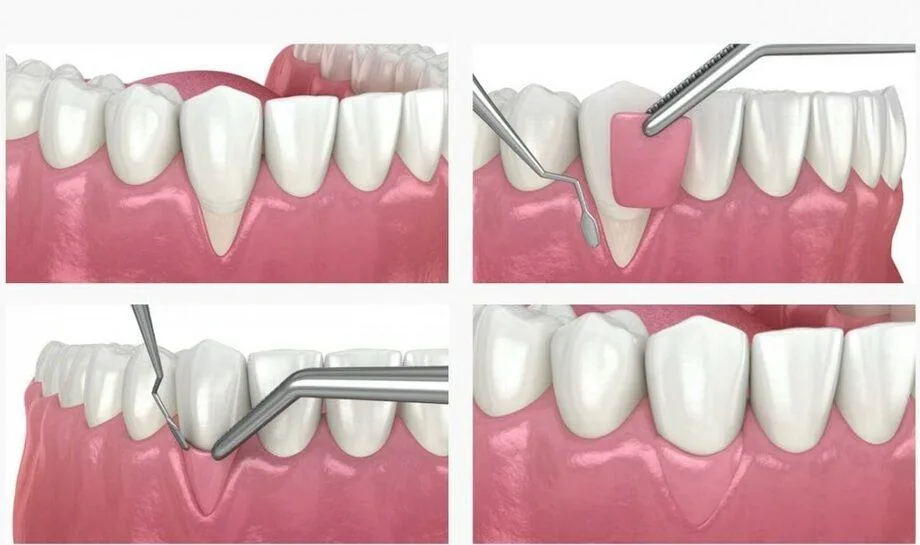
If your periodontist has recommended a soft tissue graft, you may have questions about why the procedure is needed, where the graft tissue comes from, and what to expect during recovery.
Soft tissue grafting is a periodontal procedure used to increase gum tissue in areas affected by recession or where the existing tissue is too thin to adequately protect the tooth.
Depending on the location and severity of the recession, grafting may help cover an exposed root, increase tissue thickness, reduce sensitivity, or improve the appearance of the gumline.
Not every area of gum recession requires a graft. The decision depends on the cause and extent of the recession, the amount and quality of existing gum tissue, tooth position, root exposure, symptoms, and other individual factors.
Key Takeaways: Soft Tissue Grafting
- Soft tissue grafting adds tissue to areas where the gums have receded or where additional tissue thickness is needed.
- Gum grafting may be considered for progressive recession, exposed roots, sensitivity, thin gum tissue, or certain cosmetic concerns.
- Different grafting techniques and materials are available depending on the patient's needs.
- Graft tissue may come from the patient's own mouth or from processed, sterile donor tissue.
- Healing and recovery vary depending on the type and extent of the procedure.
- Root coverage can often be achieved, but complete coverage is not possible or predictable in every case.
- Not every patient with gum recession needs surgical treatment.
What Is a Soft Tissue Graft?
A soft tissue graft is a periodontal surgical procedure used to increase the amount or thickness of gum tissue around a tooth.
Depending on the treatment goal, grafting may be performed to cover an exposed root, reinforce an area of thin tissue, improve the stability of the gumline, or address an aesthetic concern.
Soft tissue grafting is one of several Cosmetic Periodontal Procedures that may be considered when gum recession affects the health or appearance of the gums.
When Is a Soft Tissue Graft Recommended?
There is no single amount of recession that automatically means a patient needs a gum graft.
A periodontist evaluates the entire area, including the position of the tooth, the existing gum tissue, supporting bone, root exposure, symptoms, and whether the recession appears stable or progressive.
Progressive Gum Recession
When an area of recession is changing over time, grafting may be considered to increase tissue thickness and help protect the affected area.
Identifying and addressing factors that may be contributing to the recession is also an important part of treatment planning.
Exposed Roots and Tooth Sensitivity
When the gumline recedes, part of the tooth root may become exposed.
Because root surfaces are not covered by enamel like the crowns of the teeth, some patients experience sensitivity to temperature, touch, or brushing.
In selected cases, covering part or all of the exposed root with grafted tissue may help reduce sensitivity. However, sensitivity can have several causes, so grafting is not necessarily the appropriate treatment for every sensitive tooth.
Thin Gum Tissue
Some patients naturally have thinner gum tissue around certain teeth.
The amount and quality of tissue around a tooth can be important when evaluating its long-term periodontal health. In selected situations, a graft may be recommended to increase tissue thickness and create a more stable area around the tooth.
Cosmetic Concerns
Gum recession can cause a tooth to appear longer or make the gumline look uneven.
For patients concerned about these changes, soft tissue grafting may be considered as a Cosmetic Periodontal Procedure to improve tissue thickness and, when possible, provide coverage of the exposed root.
The amount of root coverage that can be achieved depends on the anatomy and severity of the recession.
Before Orthodontic or Restorative Treatment
In some situations, a periodontist may evaluate thin or receded gum tissue before orthodontic or restorative treatment.
Whether grafting is recommended before, during, or after other dental treatment depends on the individual patient's anatomy and treatment plan. Coordination among the periodontist, orthodontist, and restorative dentist can help determine the appropriate sequence of care.
What Types of Soft Tissue Grafts Are Available?
There are several approaches to soft tissue grafting.
The technique recommended by your periodontist depends on factors such as the treatment goal, location and severity of recession, amount of existing tissue, number of teeth being treated, and individual anatomy.
Connective Tissue Graft
A connective tissue graft uses tissue obtained from beneath the surface of the patient's palate.
The tissue is positioned at the treatment site to increase tissue thickness and, when appropriate, provide root coverage.
Free Gingival Graft
A free gingival graft uses tissue taken from the surface of the palate.
This approach may be used when the primary goal is to increase the amount or thickness of gum tissue around a tooth.
Pedicle or Lateral Graft
In selected cases, tissue adjacent to the area of recession may be repositioned to cover or reinforce the affected area.
This technique requires an adequate amount of suitable tissue next to the treatment site and is not appropriate for every area of recession.
Soft Tissue Allograft
A soft tissue allograft uses processed, sterile donor tissue rather than tissue taken from the patient's palate.
Because there is no separate donor site in the patient's mouth, this approach may offer certain advantages in appropriate cases. However, the choice between a patient's own tissue and donor material depends on the clinical situation and treatment goals.
Your periodontist will discuss the recommended technique, including its advantages, limitations, and expected outcome, before treatment.
What Happens During a Soft Tissue Graft?
The procedure varies depending on the grafting technique and the area being treated, but generally includes several steps.
- Local anesthesia is used to numb the treatment area.
- The area receiving the graft is carefully prepared.
- Graft tissue is obtained from the patient's mouth or prepared using the selected graft material.
- The graft is positioned at the treatment site and secured.
- The surgical area is protected while healing begins.
- Postoperative instructions are provided for oral hygiene, diet, activity, and care of the surgical site.
If tissue is obtained from the palate, your periodontist will also provide instructions for caring for that area while it heals.
What Is Recovery Like After a Soft Tissue Graft?
Recovery varies based on the grafting technique, the number of areas treated, whether tissue was taken from the palate, and individual healing.
During the early healing period, patients may experience:
- Tenderness or swelling
- Temporary changes to diet
- Restrictions on brushing or flossing directly around the surgical site
- Specific instructions regarding physical activity
- Follow-up appointments to evaluate healing
The graft continues to heal and mature after the initial recovery period. Changes in the tissue's color, texture, and contour may continue for several weeks or months.
Your periodontist will provide instructions based on the specific procedure performed and let you know when normal brushing, flossing, diet, and other activities can safely resume.
How Successful Is Soft Tissue Grafting?
Soft tissue grafting is a well-established periodontal treatment, but outcomes vary.
The amount of root coverage and tissue thickening that can be achieved depends on several factors, including:
- The type and severity of recession
- The anatomy of the affected tooth
- The amount of supporting bone
- Tissue characteristics
- The grafting technique
- Oral hygiene
- Tobacco use
- Individual healing
Complete root coverage is not possible in every situation.
This is an important part of the treatment-planning conversation. Before recommending grafting, your periodontist can explain the goals of the procedure and what result may reasonably be expected for the specific area being treated.
Does Every Case of Gum Recession Need a Graft?
No.
Some areas of mild, stable recession can be monitored rather than treated surgically.
Depending on the cause, recommendations may include:
- Modifying brushing technique
- Using a soft-bristled toothbrush
- Addressing inflammation or periodontal disease
- Managing other contributing factors when appropriate
- Monitoring the area for changes over time
If recession is progressing, symptoms are significant, or the characteristics of the tissue create concern for the long-term health of the area, grafting may be considered.
A periodontal evaluation is the best way to determine whether monitoring, soft tissue grafting, or another approach is appropriate.
The Bottom Line
Soft tissue grafting can be an effective treatment for certain types of gum recession and areas where additional tissue thickness is needed.
However, seeing an exposed root or an uneven gumline does not automatically mean you need surgery. The cause of the recession, tissue characteristics, supporting bone, symptoms, progression, and treatment goals all need to be considered.
At CharlottePerio, our board-certified periodontists evaluate these factors carefully before recommending treatment. When soft tissue grafting is appropriate, the procedure and grafting approach are selected based on the individual patient's anatomy and treatment goals.
CharlottePerio has provided periodontal care in Charlotte for more than 50 years, with a focus on helping patients preserve the health, function, and appearance of their natural teeth.
Frequently Asked Questions on Soft Tissue Grafting
What is a soft tissue graft used for?
A soft tissue graft increases the amount or thickness of gum tissue around a tooth. Depending on the clinical situation, it may be used to address gum recession, cover an exposed root, increase tissue thickness, reduce sensitivity, or improve the appearance of the gumline.
How do I know if I need a soft tissue graft for gum recession?
Not every area of recession requires a graft. A periodontist will evaluate the amount and progression of recession, gum thickness, root exposure, tooth position, supporting tissues, symptoms, and other factors before recommending treatment.
What is a soft tissue allograft?
A soft tissue allograft is processed, sterile donor tissue that can be used instead of taking tissue from another area of the patient's mouth. Whether an allograft or the patient's own tissue is recommended depends on the type of procedure, treatment goals, and individual clinical situation.
How long does it take to recover from a soft tissue graft?
Recovery varies depending on the procedure, the number of areas treated, whether a donor site is involved, and individual healing. The initial surgical area heals first, while maturation of the grafted tissue continues over a longer period. Your periodontist will provide specific instructions and monitor healing during follow-up visits.
Does a soft tissue graft hurt?
Local anesthesia is used during the procedure. Some tenderness, swelling, or discomfort can occur afterward. The amount of discomfort varies based on the grafting technique and whether tissue is obtained from the palate. Your periodontist will provide postoperative instructions for managing discomfort and protecting the surgical area.
Can gum recession return after a soft tissue graft?
Recession can develop or progress after grafting, particularly when contributing factors remain present. Long-term care includes appropriate home hygiene, regular dental and periodontal maintenance, and addressing contributing factors when possible.
Contact Us
We provide exceptional dental care tailored to your needs.
Contact Us at: (704) 365-0123
Fax: (704) 364-8640
Email: info@charlotteperio.com
Get in Touch
*Name
*Your Email
*Your Phone Number
Additional Information

Our Professional Affiliations



© 2026 CharlottePerio. All Rights Reserved | Notice of Privacy Practices | Digital Marketing by Remedo