


What Causes Gum Recession? Understanding the Reasons Gums Recede
Gum recession can be easy to overlook at first. You may notice that one tooth looks slightly longer than the others, or you may begin to feel sensitivity when you drink something cold. Sometimes, a dentist or dental hygienist is the first person to point out that the gumline has changed.
So, what causes gum recession?
There is not always one simple answer. Receding gums can develop for several reasons, including periodontal disease, aggressive brushing, naturally thin gum tissue, tooth position, tobacco use, and certain habits or conditions that place stress on the gums. Understanding the cause matters because treating the recession without addressing what contributed to it may not prevent the problem from progressing.
At CharlottePerio, our periodontists evaluate the gums, supporting bone, teeth, and bite to determine why recession has occurred and whether treatment is appropriate.
What Is Gum Recession?
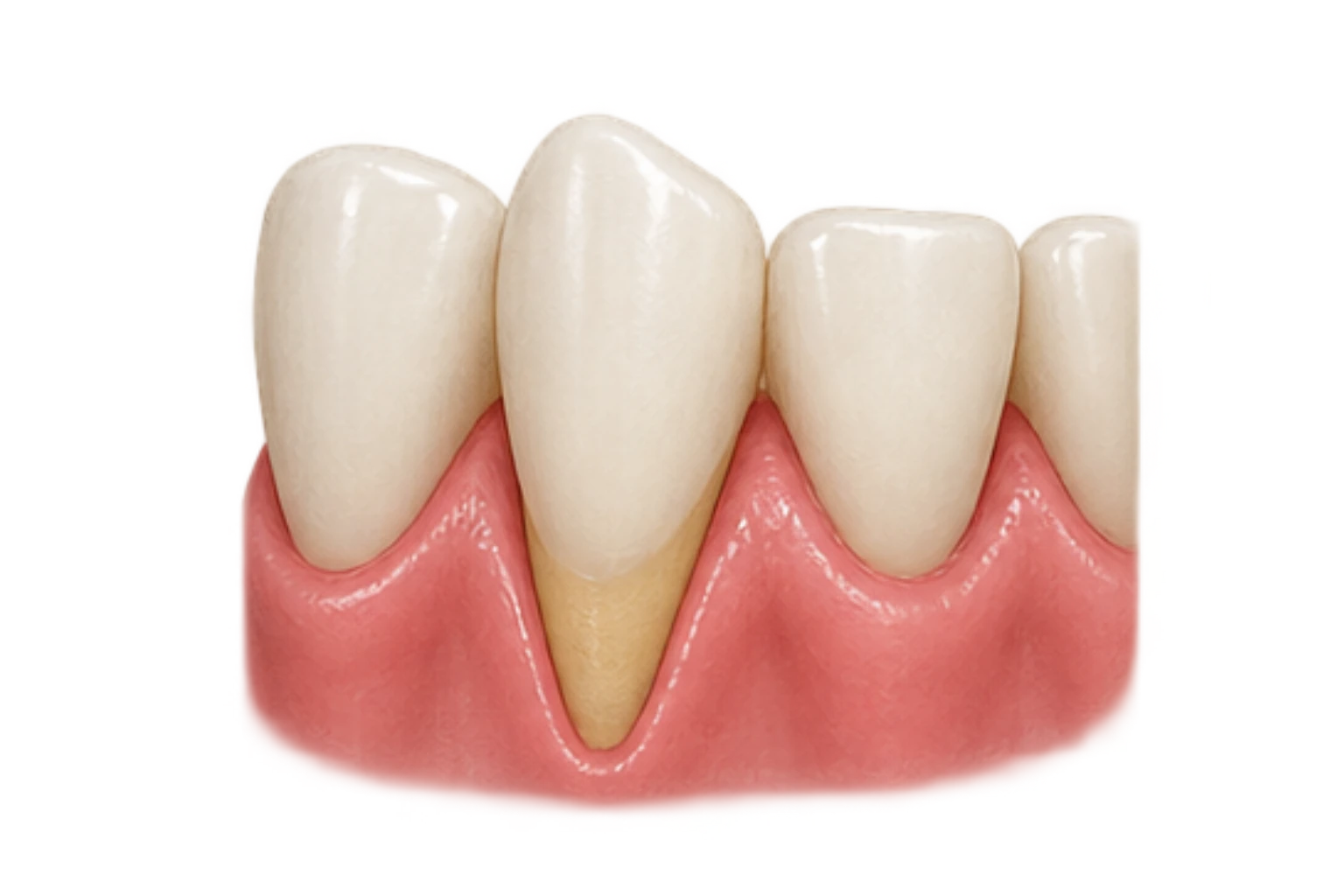
Gum recession occurs when the gum tissue around a tooth moves away from the tooth, exposing more of the tooth or its root surface.
The crown of a tooth is covered by enamel, which is the hard outer layer that protects it. The root is normally covered by gum tissue and supported by bone. When the gum recedes, part of the root can become exposed.
That can lead to:
- Tooth sensitivity
- A tooth appearing longer than it used to
- Greater risk of root decay
- Difficulty keeping the exposed area clean
- Increased concern about the appearance of the gumline
The significance of recession depends on how much tissue has been lost, why it happened, and the condition of the tissues supporting the tooth.
What Causes Gum Recession?
Periodontal disease and gum inflammation
One of the important causes of receding gums is periodontal disease.
Periodontitis is an infection and inflammatory disease that damages the tissues supporting the teeth. As the disease progresses, the gums can pull away from the teeth and supporting bone can be lost. Recession may occur along with other signs of periodontal disease, such as bleeding, swelling, persistent bad breath, deep periodontal pockets, or loose teeth.
This is one reason gum recession should not automatically be assumed to be a brushing problem. A periodontal examination can help determine whether gum disease is contributing to the tissue loss.
Naturally thin gum tissue
Some people naturally have thinner gum tissue around certain teeth.
Thin tissue may be more susceptible to recession when exposed to mechanical irritation, tooth movement, inflammation, or other local factors. A person may have excellent oral hygiene and still develop recession because the anatomy around a particular tooth provides less protection.
In these situations, the goal is not simply to tell someone to brush less. The periodontist needs to understand the underlying anatomy and determine whether monitoring, changes in oral hygiene technique, or periodontal treatment is appropriate.
Tooth position and orthodontic movement
The position of a tooth within the jaw can affect the amount and thickness of tissue surrounding it.
Orthodontic treatment can move teeth into new positions. When a tooth moves outside the boundaries of its supporting bone, the surrounding gum tissue may become more vulnerable to recession.
This does not mean orthodontic treatment automatically causes gum recession. Rather, individual anatomy and the direction and extent of tooth movement are important considerations.
If you have noticed recession after orthodontic treatment, a periodontal evaluation can help determine whether the tooth position or another factor is contributing.
Brushing too aggressively
Another possible cause of receding gums is mechanical trauma from aggressive tooth brushing.
Brushing is essential for controlling plaque, but more pressure does not necessarily mean cleaner teeth. Using excessive force, particularly with an abrasive technique or a hard-bristled toothbrush, can irritate the gumline.
If you notice that the gum around a particular tooth is becoming thinner or receding, consider discussing your brushing technique with your dentist or periodontist rather than simply stopping brushing the area.
Good oral hygiene remains important. The goal is to remove plaque effectively while avoiding unnecessary trauma to the gums. Using a soft-bristled toothbrush and gentle brushing technique can help protect the surrounding tissues.
Tobacco use
Tobacco use can negatively affect periodontal health and is an important factor when evaluating gum disease and its progression.
Smoking and other forms of tobacco can affect the tissues surrounding teeth and make periodontal disease more difficult to manage. If you use tobacco and are experiencing receding gums, tell your periodontist. This information helps your clinician develop an appropriate treatment and maintenance plan.
Plaque buildup and inadequate oral hygiene
Plaque is a bacterial film that develops on teeth. When it is not adequately removed, it can contribute to inflammation of the gums.
Persistent inflammation can progress from gingivitis to periodontitis in susceptible individuals. Periodontitis can eventually damage the bone and tissues supporting teeth, potentially contributing to gum recession.
Importantly, this does not mean every person with recession has poor oral hygiene. Gum recession can have several causes, and individual susceptibility varies.
Clenching, grinding, and other mechanical forces
Excessive forces on teeth may also be considered when evaluating recession, particularly when recession occurs in an area where other contributing factors are not obvious.
Tooth grinding and clenching can place substantial forces on the teeth and supporting structures. These habits do not explain every case of recession, but they may be relevant when considered alongside the patient's bite, tooth position, gum thickness, and other findings.
Lip or tongue habits and local irritation
Repeated mechanical irritation can sometimes contribute to localized gum changes.
For example, certain oral habits, jewelry, or other sources of repeated contact may place pressure against the gum tissue. If recession is limited to a specific location, your periodontist may look for a local source of irritation.
Why Are My Gums Receding Around Only One Tooth?
Gum recession does not have to affect the entire mouth.
It is possible for one tooth to develop recession while neighboring teeth remain unaffected. This can happen because the anatomy, tooth position, gum thickness, brushing pattern, or local irritation is different in that area.
Localized recession deserves attention because the cause may be specific to that tooth.
A periodontal examination can include measurements of the gum tissue and supporting structures, allowing the periodontist to determine whether the area should simply be monitored or whether treatment may be beneficial.
Are Receding Gums Always a Sign of Gum Disease?
No.
Periodontal disease is an important cause of gum recession, but it is not the only cause.
A person may have recession associated with thin gum tissue, brushing trauma, tooth position, or other localized factors without having active periodontal disease.
That distinction matters. The appropriate treatment depends on the underlying cause rather than the appearance of recession alone.
What Problems Can Exposed Tooth Roots Cause?
The root surface is different from the enamel-covered crown of the tooth.
When recession exposes the root, some patients experience sensitivity, particularly to cold foods or drinks. The exposed root may also be more susceptible to decay because it does not have the same enamel protection as the crown.
Recession can also make plaque control more challenging around the affected area.
In appropriate cases, soft tissue grafting may help cover exposed roots, increase tissue thickness, and reduce sensitivity. Whether grafting is recommended depends on the extent of recession, the condition of the surrounding tissues, and the patient's individual needs.
How Is Gum Recession Treated?
Treatment depends on the cause and severity.
For some patients, no surgical treatment is immediately necessary. Your periodontist may recommend observation, improved oral hygiene technique, treatment of periodontal inflammation, or management of contributing factors.
Soft tissue grafting is used to increase the amount or thickness of gum tissue around a tooth. Depending on the treatment goal, it may help cover an exposed root, reduce sensitivity, reinforce an area of thin tissue, or improve the appearance of the gumline.
Graft tissue may come from the patient's own mouth or, in appropriate cases, from a processed, sterile donor source. The recommended approach depends on the patient's anatomy, the severity of recession, and the intended treatment outcome.
When Should You See a Periodontist for Receding Gums?
Consider a periodontal evaluation if you notice:
- A tooth appearing longer than before
- An exposed tooth root
- Increasing sensitivity
- Gum tissue that appears unusually thin
- Bleeding or swollen gums
- Persistent bad breath
- Loose teeth
- Recession that appears to be progressing
These signs do not necessarily mean you need surgery. They indicate that an evaluation may be useful to understand what is happening.
Call Our Office to Schedule an Appointment
If you have noticed changes in your gumline, exposed tooth roots, or increasing sensitivity, a periodontal evaluation can help identify the underlying cause and determine whether treatment is necessary.
At CharlottePerio, our board-certified periodontists evaluate the gum tissue and supporting structures to provide individualized recommendations based on your periodontal health.
Contact CharlottePerio to schedule an evaluation.
Frequently Asked Questions About the Causes of Receding Gums
What is the most common cause of receding gums?
There is no single cause that applies to every patient. Periodontal disease, mechanical trauma from brushing, thin gum tissue, tooth position, and other local factors can contribute to recession.
Can receding gums grow back naturally?
Gum tissue that has physically receded does not normally grow back on its own. However, not every case requires surgery. A periodontist can determine whether monitoring or treatment is appropriate.
Can gum disease cause gums to recede?
Yes. Periodontal disease can damage the tissues and bone supporting the teeth and may cause the gums to pull away from the teeth.
Can stress cause receding gums?
Stress itself is not usually considered a direct cause of gum recession. However, stress can influence behaviors and oral health habits, and chronic stress may affect overall health. If recession is occurring, it is better to look for established local and periodontal causes.
Is gum recession serious?
It can be, depending on its cause and progression. Recession may expose vulnerable root surfaces and can sometimes be associated with periodontal disease or loss of supporting tissue. An examination can determine how significant the recession is.
Can changing my toothbrush stop gum recession?
Using a softer brush and gentler technique may reduce mechanical irritation, but changing your toothbrush does not address every cause of recession. If gum disease, tooth position, or thin tissue is involved, additional evaluation may be necessary.
Does gum recession always require a gum graft?
No. Some areas can be monitored or managed by addressing contributing factors. A gum graft may be recommended when additional tissue is needed to protect an exposed root or address a specific recession defect.
Can gum recession be prevented?
Not every case can be prevented, particularly when anatomy or individual susceptibility plays a role. However, maintaining good oral hygiene, avoiding aggressive brushing, addressing periodontal disease, and attending regular dental and periodontal evaluations can help protect gum health.
What should I do if my gums are receding?
Do not ignore progressive recession, but do not assume that surgery is automatically necessary either. Schedule an evaluation so the cause, extent, and appropriate treatment can be determined.
Contact Us
We provide exceptional dental care tailored to your needs.
Contact Us at: (704) 365-0123
Fax: (704) 364-8640
Email: info@charlotteperio.com
Get in Touch
*Name
*Your Email
*Your Phone Number
Additional Information

Our Professional Affiliations



© 2026 CharlottePerio. All Rights Reserved | Notice of Privacy Practices | Digital Marketing by Remedo