


Bone Grafting in Charlotte, NC
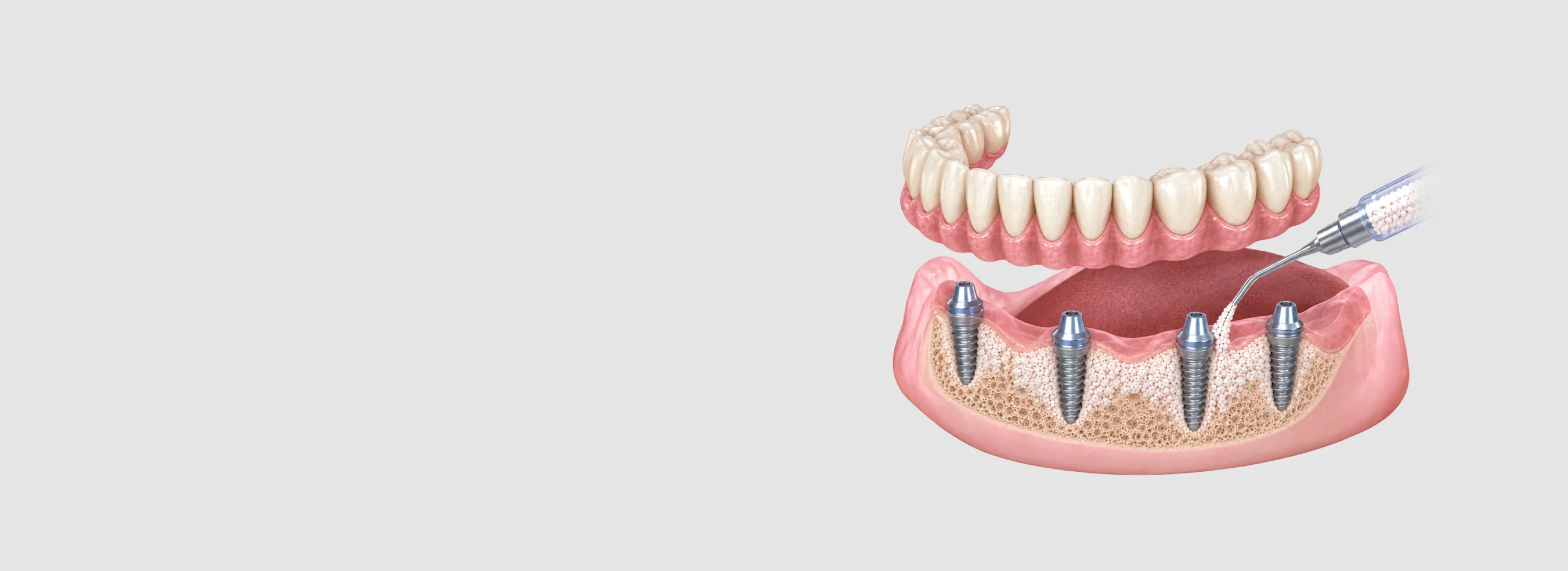
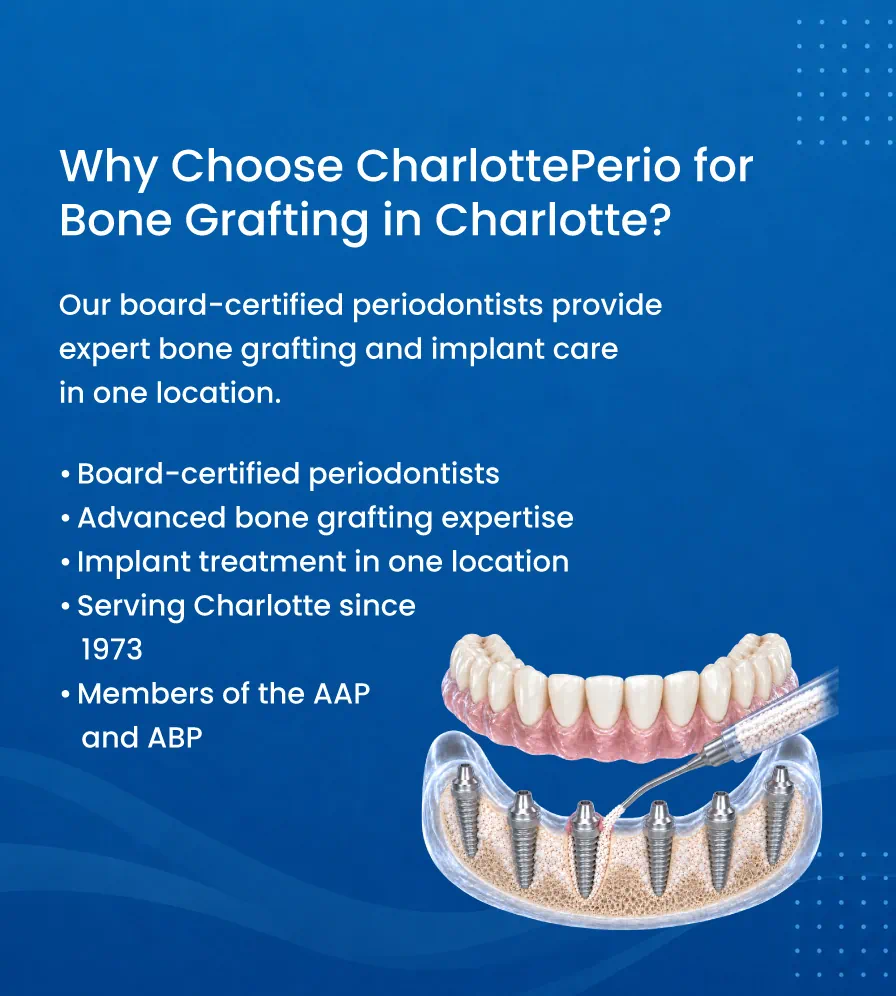
Being told you need a bone graft before receiving dental implants can feel discouraging, especially if you're eager to replace missing teeth and move forward with treatment. However, bone grafting is a common and predictable procedure that helps rebuild the foundation needed to support dental implants. For many patients, it's an important step that makes long-term implant success possible.
Why Bone Grafting Is Needed Before Implants
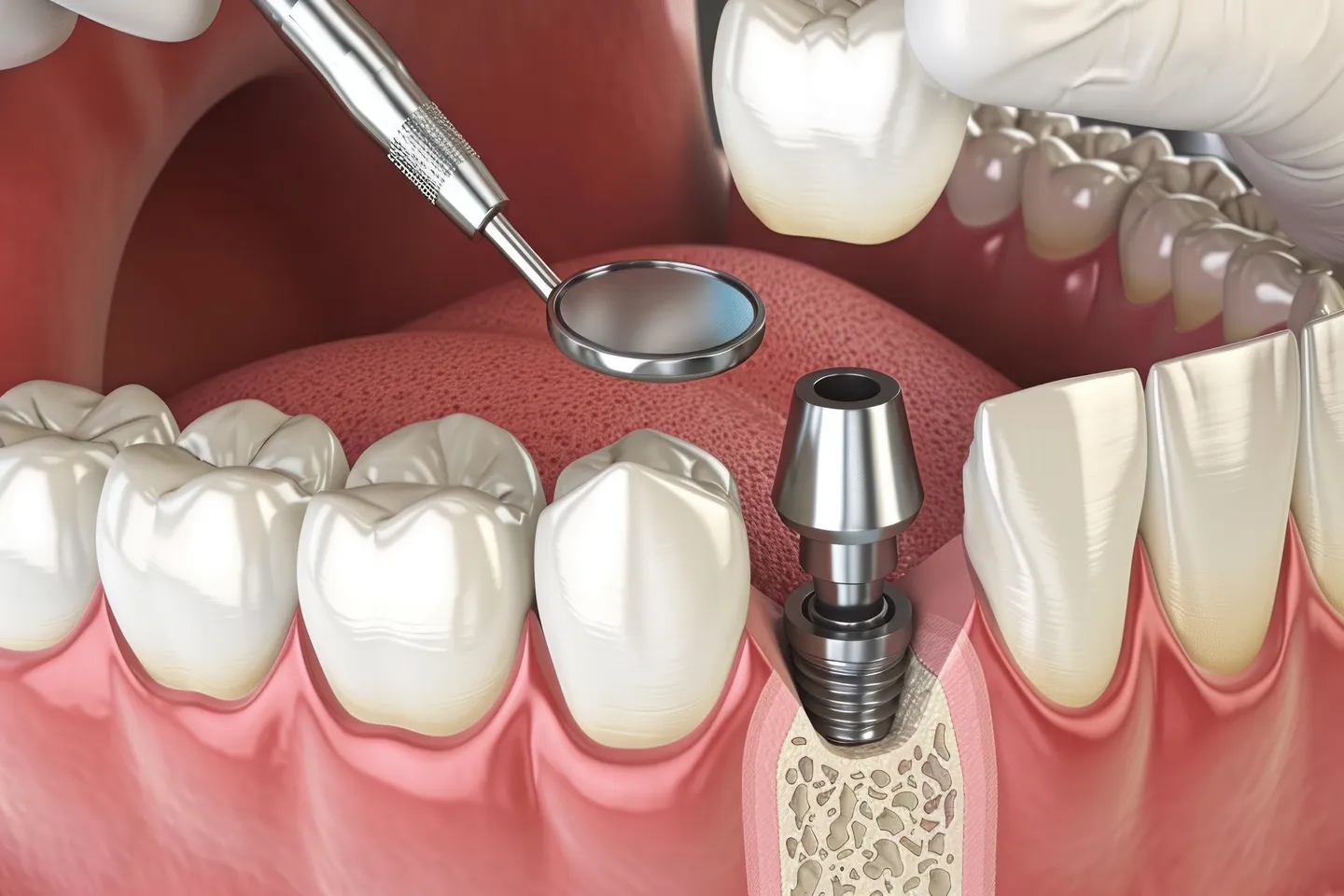
Dental implants need adequate bone for support. The implant post fuses with the jawbone through a process called osseointegration. If there isn't enough bone in height, width, or density, the implant may not have the stable foundation it needs.
Bone Loss in the Jaw Happens for Several Reasons
- Tooth loss: After a tooth is lost or extracted, the surrounding bone begins to shrink because it no longer receives stimulation from the tooth root.
- Long-term denture wear: Removable dentures do not stimulate the underlying jawbone, so bone loss can occur gradually over time.
- Periodontal (gum) disease: Advanced gum disease destroys the bone that supports the teeth. Patients who have had severe periodontal disease often have irregular bone levels around multiple teeth.
- Trauma: Injuries to the jaw can damage bone directly or lead to bone loss after tooth loss.
A bone graft rebuilds the bone needed to support a dental implant.
Types of Bone Grafts Used for Dental Implants
Socket Preservation Graft (Ridge Preservation)
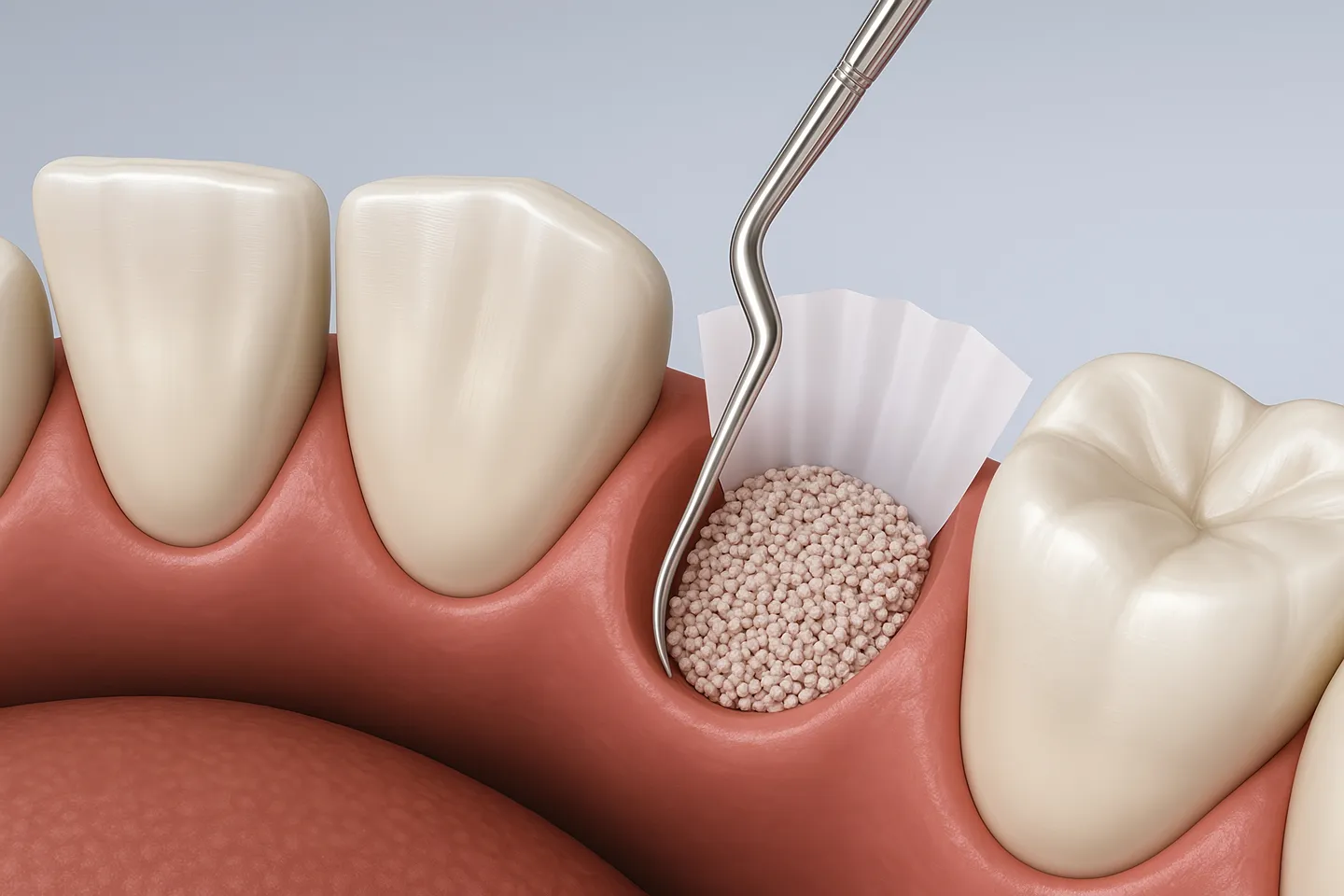
Performed at the time of tooth extraction to prevent bone loss before it starts. After a tooth is removed, the socket is filled with bone graft material. This preserves the ridge shape and bone volume so that when implant placement is planned later, adequate bone is still present.
This helps preserve bone and may reduce the need for more extensive grafting later.
Best for: Patients having a tooth extracted who plan to get an implant at that site in the future.
Ridge Augmentation
When bone has already been lost after an extraction, a ridge augmentation graft restores volume to the area. This procedure restores lost bone volume to create adequate support for an implant.
Best for: Patients who previously had a tooth extracted (without socket preservation) and now have insufficient bone for implant placement.
Sinus Lift (Maxillary Sinus Augmentation)
The maxillary sinuses sit just above the upper back teeth. When upper back teeth are lost, the sinus floor can drop down as bone resorbs, leaving inadequate bone height for implant placement in that area. A sinus lift procedure raises the sinus floor and places bone graft material in the created space.
Best for: Patients needing implants in the upper back arch who have lost bone height due to sinus proximity.
Block Bone Graft
When substantial bone loss is present, a bone block graft may be recommended. This procedure uses a small piece of bone from another area of the patient's jaw or a donor source to rebuild the deficient area and create a stronger foundation for future dental implant placement.
Best for: Patients with more significant, localized bone defects.
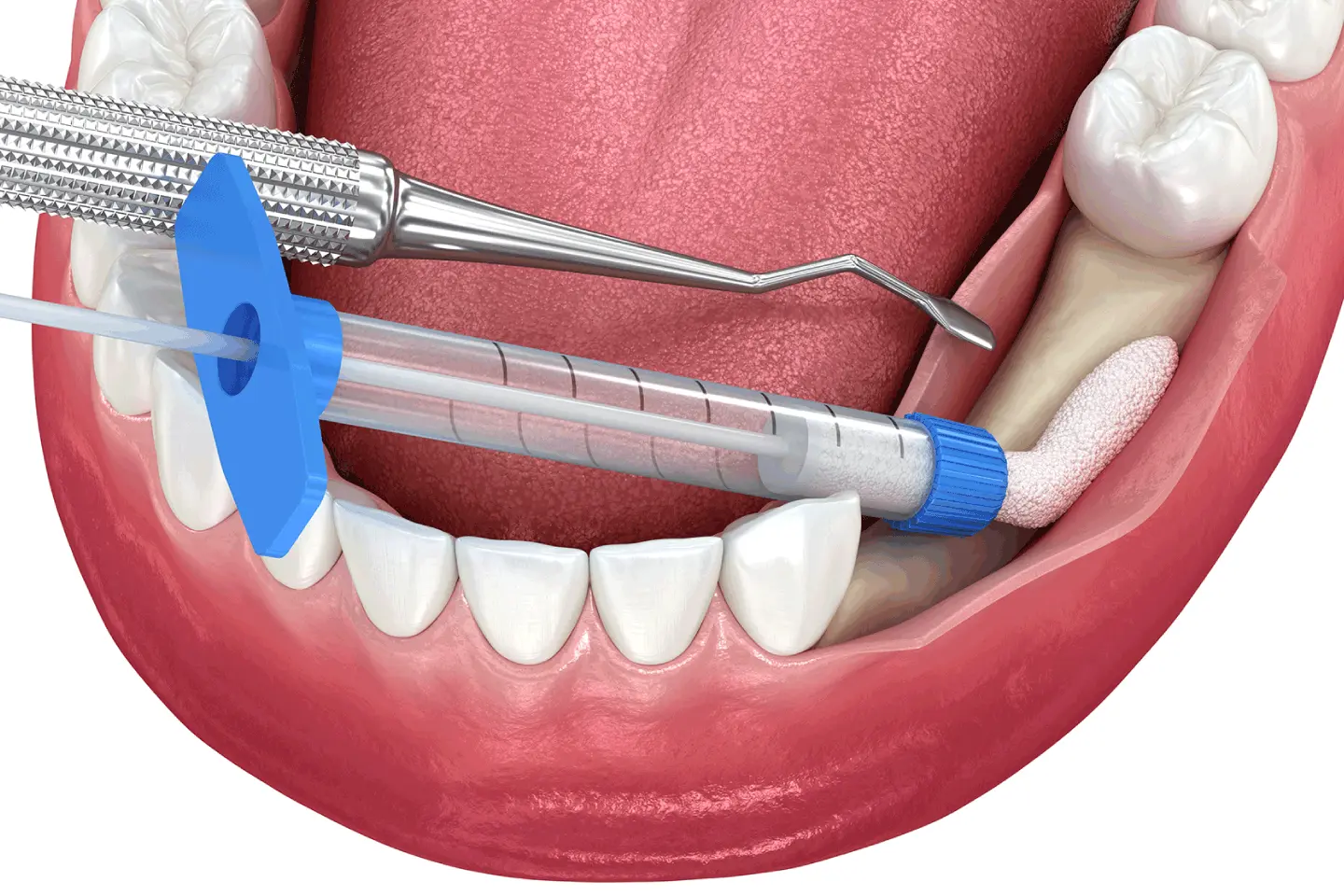
Graft Material: What Is Used?
Bone grafts for dental implants can use several types of material:
- Autograft: Bone taken from the patient's own body (often from another site in the jaw). Considered the gold standard for predictability, but requires a second surgical site.
- Allograft: Processed donated human bone from a bone bank. Widely used and avoids a second surgical site.
- Xenograft: Processed animal bone (typically bovine). Commonly used, well-documented long-term success.
- Alloplast: Synthetic bone substitute materials. Used in many applications.
The best material depends on the treatment area and your individual needs.
What to Expect from the Bone Graft Procedure and Recovery
The Procedure
Bone grafts are typically performed under local anesthesia, with sedation available for patients who prefer it. The area is opened, graft material is placed, and a barrier membrane is often positioned over the graft to protect it and encourage healing. The site is then closed.
Most procedures are completed in under an hour for straightforward cases. More complex augmentations may take longer.
Recovery
Swelling and mild discomfort are common in the days following a bone graft. Most patients manage well with prescribed or over-the-counter pain medication. Instructions will include:
- Soft diet for a period after surgery
- Avoiding disturbing the graft site
- Prescribed antibiotics and/or mouth rinse in most cases
- Keeping the area clean without disrupting healing
Healing Timeline
Bone graft healing before implant placement typically takes 3 to 6 months, depending on the size of the graft and the rate of bone formation. We monitor healing with imaging before proceeding to implant placement.
Bone Grafting and Your Implant Timeline
Bone grafting can extend the overall treatment timeline, but it is an essential step when adequate bone is not present. Dental implants must fuse with the surrounding jawbone to become stable and functional. Without sufficient bone support, successful implant integration is unlikely. By rebuilding the foundation first, bone grafting helps create the conditions needed for long-term implant success.
The typical timeline when bone grafting is needed:
- Tooth extraction + socket preservation → 3–4 months healing → implant placement → 3–6 months osseointegration → crown placement
- Ridge augmentation or sinus lift → 4–6 months healing → implant placement → 3–6 months osseointegration → crown placement
We clearly outline the full timeline during your consultation so you know what to expect before treatment begins.
What is a dental bone graft?

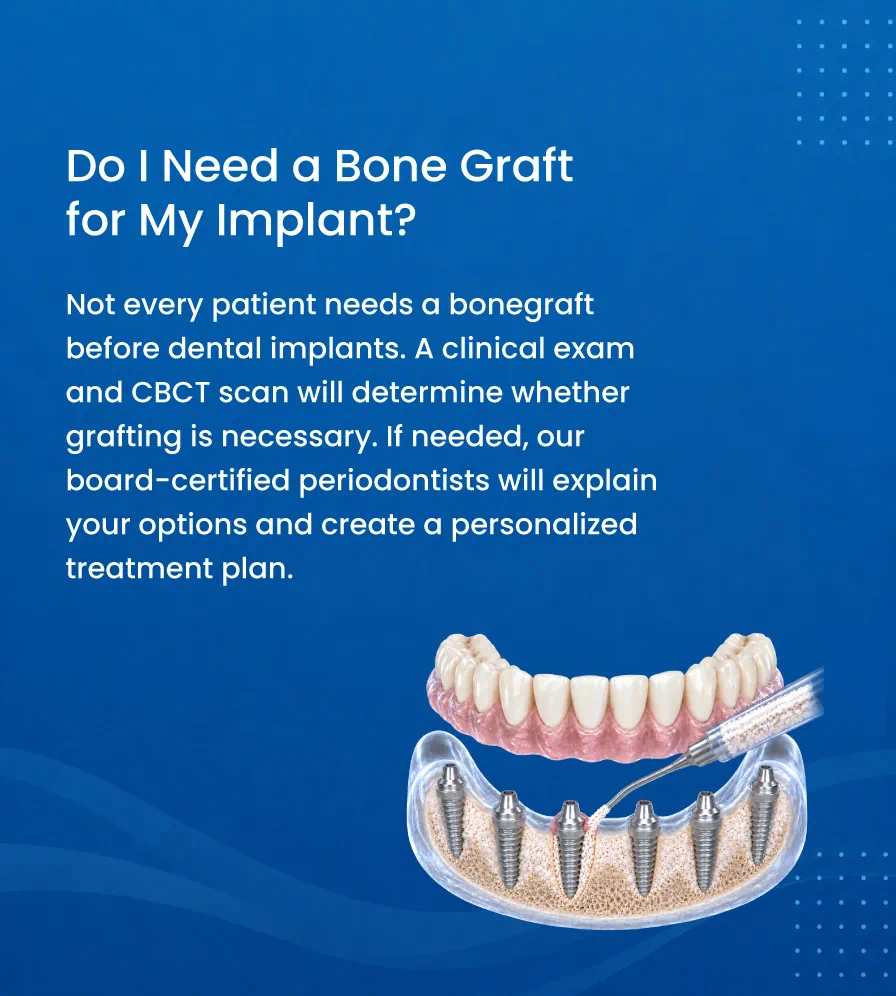
Is a bone graft necessary for dental implants?
How long does it take to recover from a bone graft?
Does bone grafting hurt?
Where does the bone graft material come from?
Can I get a bone graft and implant on the same day?
I was told I don't have enough bone for implants. Is that permanent?

Our Professional Affiliations



Contact Us
We provide exceptional dental care tailored to your needs.
Contact Us at: (704) 365-0123
Fax: (704) 364-8640
Email: info@charlotteperio.com
Get in Touch
*Name
*Your Email
*Your Phone Number
Additional Information


© 2026 CharlottePerio. All Rights Reserved | Notice of Privacy Practices | Digital Marketing by Remedo