


Five Surprising Facts About Dental Implants Most Patients Don't Know
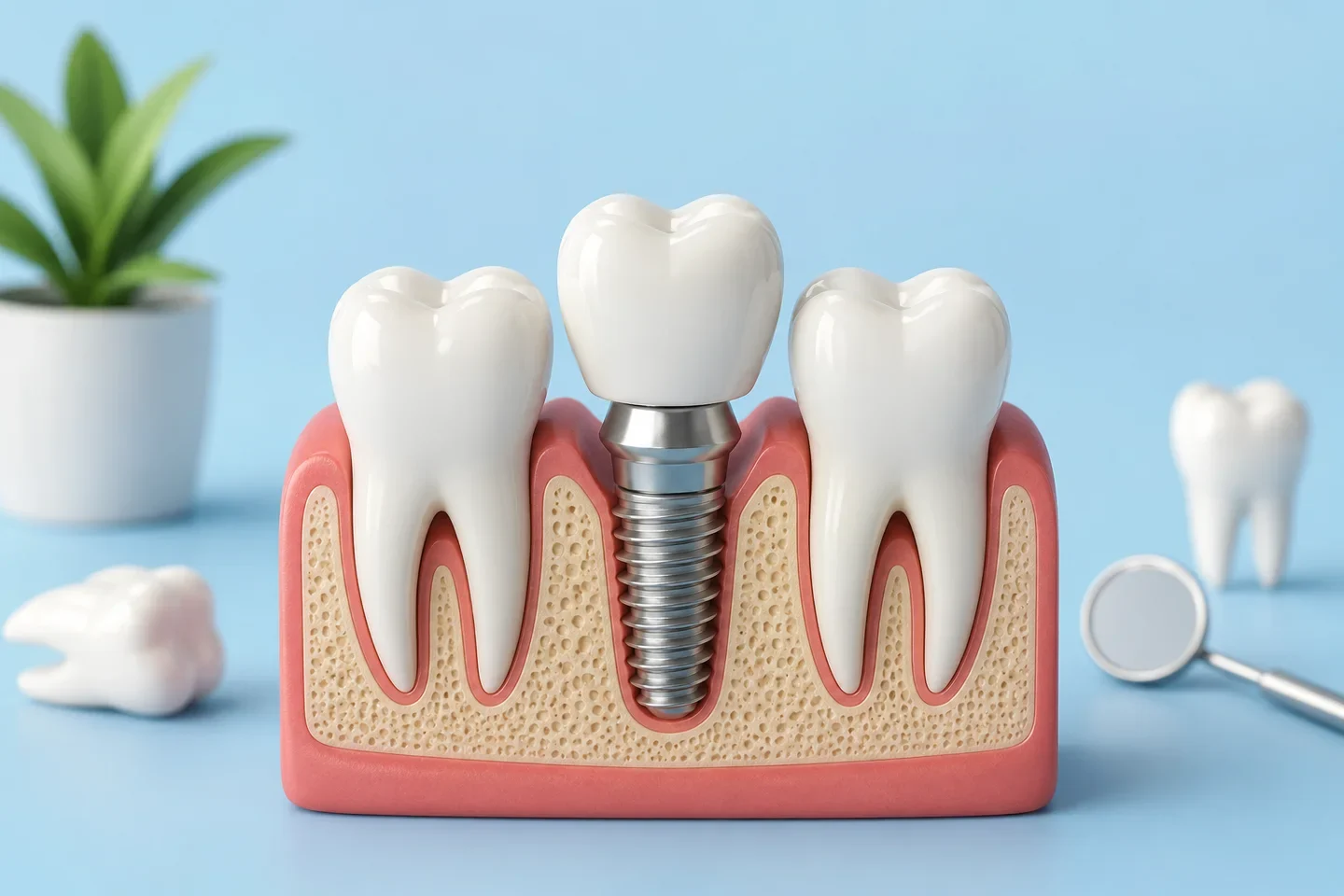
Most people begin learning about dental implants with the basics: they replace missing teeth, they require a surgical procedure, and they're designed to be a long term solution. What often surprises patients are the details behind how implants work and why those details matter to the success of their treatment.
For more than 50 years, CharlottePerio has helped patients understand every stage of the dental implant process. Some of the most interesting facts about dental implants are also the ones that help patients feel more informed and confident about their care. Here are five facts that many people are surprised to learn.
Key Takeaways on Dental Implant Facts
- Dental implants can last 25 years or longer, and with proper care, many last a lifetime.
- The jawbone naturally begins losing volume after a tooth is lost, making timely treatment an important consideration.
- Titanium naturally bonds with living bone through a process called osseointegration.
- Not every patient needs bone grafting before dental implant placement.
- While dental implants cannot develop cavities, they still require healthy gums and regular professional care for long term success.
Fact #1: Dental Implants Can Last a Lifetime, But There's More to the Story
A dental implant is designed to be a long term replacement for a missing tooth root, and with proper care, the implant itself can last 25 years or longer, often for life.
Here's an important distinction: the implant itself (the titanium post placed in the jawbone) is designed for long term function. The final restoration attached to it, which is usually a dental crown for a single implant, may eventually need to be replaced because of normal wear over time, often after 10 to 15 years.
While the implant itself is designed to be a long term replacement for the tooth root, the final restoration may eventually need to be replaced because of normal wear over time. For additional information about the advantages and long term value of this treatment, explore the benefits of dental implant treatment.
Fact #2: Your Jawbone Begins Changing After Tooth Loss
After a tooth is lost, the jawbone naturally begins to lose volume because it no longer receives the stimulation normally provided by the tooth root.
According to the American Academy of Periodontology, patients can lose up to 25% of the width of the jawbone during the first year after tooth loss. This natural process is one reason why timely treatment can be important when a tooth cannot be saved.
When a tooth cannot be saved, preserving healthy bone through timely treatment can help maintain future implant options and support long term success.
Fact #3: Titanium's Bone Bonding Ability Was an Unexpected Discovery
One of the most important discoveries in implant dentistry came from orthopedic research conducted by Swedish physician and researcher Per Ingvar Brånemark.
While studying bone healing, Dr. Brånemark discovered that titanium naturally bonded with living bone. This finding eventually led to the development of modern dental implant therapy.
Today, this natural process is known as osseointegration, where the jawbone gradually bonds with the surface of the titanium implant, creating the stable foundation needed to support a long lasting restoration.
Fact #4: Not Every Patient Needs a Bone Graft
One of the most common misconceptions about dental implants is that bone grafting is always required. In reality, many patients, particularly those with healthy existing bone and recently lost teeth, are able to proceed directly to implant placement without additional grafting.
Bone grafting may be recommended when:
- A tooth has been missing for an extended period.
- Periodontal disease has resulted in bone loss.
- Additional bone support is needed before implant placement.
- A sinus augmentation is needed in the upper back jaw.
The only way to determine whether bone grafting is necessary is through a comprehensive examination and advanced 3D cone beam CT imaging. Your periodontist will evaluate your individual anatomy and recommend only the procedures that are appropriate for your treatment. If you're unsure whether your oral health and bone structure are suitable, you can learn more about being a good candidate for implant treatment.
Fact #5: Dental Implants Can't Get Cavities, But They Still Need Care
One common misconception is that dental implants require little or no maintenance.
Dental implants cannot develop cavities because they are made from materials such as titanium and porcelain rather than natural tooth structure. However, the surrounding gums and bone remain susceptible to inflammation and infection.
This condition, called peri implantitis, is similar to periodontal disease around natural teeth and can threaten the long term health of the implant if left untreated.
Just like natural teeth, dental implants benefit from excellent oral hygiene, regular periodontal maintenance, and routine dental visits to help keep the surrounding tissues healthy. Understanding the signs of dental implant failure can also help patients recognize problems that may require professional evaluation.
Why These Facts Matter
Understanding how dental implants work can help you feel more confident as you consider your treatment options. From knowing why preserving bone is important to understanding the healing process after surgery, these facts provide valuable context for the decisions you'll make along the way. Learning more about the dental implant process can provide additional context about what to expect throughout treatment.
Every patient's situation is unique. During your consultation, your periodontist will evaluate your oral health, review your imaging, discuss your treatment options, and answer any questions you may have. Together with your restorative dentist, we'll develop a personalized treatment plan designed to restore your smile and support your long term oral health.
Moving Forward with Confidence
Dental implants are backed by decades of research and are one of the most predictable and successful ways to replace missing teeth. Understanding how implants work, why preserving bone is important, and what to expect throughout treatment can help you feel more informed and confident when making decisions about your oral health.
If you're considering dental implants in Charlotte, our Board Certified periodontists are here to answer your questions, explain your treatment options, and guide you through every stage of care. For more than 50 years, CharlottePerio has been committed to providing specialized periodontal care with advanced technology, personalized treatment planning, and close collaboration with your general dentist. Our goal is to help you restore your smile with results that support your long term oral health.
Frequently Asked Questions on Implant Facts
What is the real lifespan of a dental implant?
With proper care and regular professional maintenance, the titanium dental implant itself can often last 25 years or longer, and in many cases, for the rest of a patient's life. The final restoration attached to the implant, which is often a dental crown for a single implant, may eventually need to be replaced because of normal wear, typically after 10 to 15 years.
Why does bone loss happen after losing a tooth?
The jawbone depends on the stimulation provided by a natural tooth root to maintain its strength and volume. Once a tooth is lost, that stimulation is no longer present, and the jawbone naturally begins to lose volume over time. Because this process can begin within the first few months after tooth loss, timely evaluation may help preserve future treatment options.
Who discovered that titanium bonds with bone?
Swedish physician and researcher Per Ingvar Brånemark is credited with discovering osseointegration, the process by which titanium naturally bonds with living bone. His research laid the foundation for modern dental implant therapy and continues to influence implant treatment today.
How do I know if I'll need a bone graft before my dental implant?
The only way to determine whether bone grafting is needed is through a comprehensive examination and advanced 3D cone beam CT imaging. Your periodontist will evaluate factors such as your bone volume, bone quality, overall oral health, and how long the tooth has been missing before recommending the most appropriate treatment. Many patients with healthy existing bone are able to proceed directly to implant placement without bone grafting.
When should I be concerned about peri implantitis?
Healthy gums are essential to the long term success of a dental implant. Contact your periodontist if you notice redness, swelling, bleeding, discomfort, or other changes around an implant. These symptoms do not always indicate peri implantitis, but early evaluation and treatment can help protect the health and stability of your implant.
Contact Us
We provide exceptional dental care tailored to your needs.
Contact Us at: (704) 365-0123
Fax: (704) 364-8640
Email: info@charlotteperio.com
Get in Touch
*Name
*Your Email
*Your Phone Number
Additional Information

Our Professional Affiliations




© 2026 CharlottePerio. All Rights Reserved | Notice of Privacy Practices | Digital Marketing by Remedo