



Do Receding Gums Grow Back? What Patients Should Know
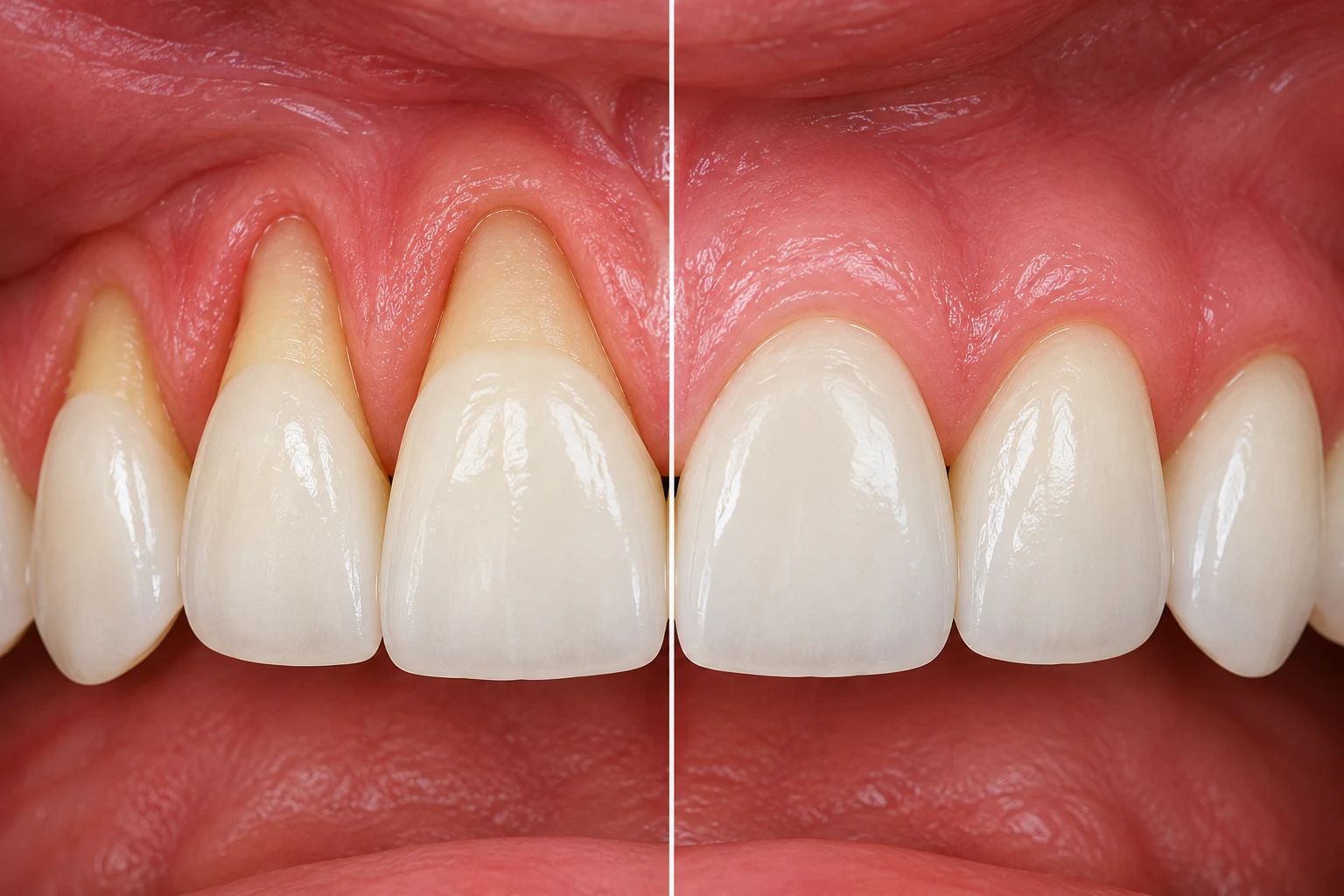
In most cases, no. Gum tissue that has receded and exposed the root does not usually grow back on its own. Inflamed gums can become healthy again with care, and a periodontist can protect exposed roots and, in selected cases, restore some of the lost gum coverage with a procedure such as gum grafting.
Have you noticed that your teeth look longer than they used to? Perhaps you feel sensitivity when you drink cold water, or you can see more of the tooth near the gumline. These changes may be signs of gum recession.
One of the first questions people ask is whether receding gums can grow back naturally. The answer depends on what is happening to the gum tissue. Mild gum inflammation can often be reversed with appropriate care, but tissue that has receded and exposed the tooth root does not typically return by itself.
Periodontal treatment can help manage the underlying causes, protect exposed roots, and in selected cases restore some of the lost coverage. A periodontist in Charlotte can evaluate the cause and extent of your recession and explain which options may be appropriate.
Do Receding Gums Grow Back Naturally?
In most cases, gum tissue lost through recession does not regenerate to its previous position. Better brushing technique, good oral hygiene, and treatment of gum disease help protect the tissue you still have, but they do not reliably replace tissue that is already gone.
It helps to separate gingivitis from gum recession.
Gingivitis is inflammation of the gums, often linked to plaque buildup. With professional care and consistent home hygiene, the inflammation can resolve and the gums can return to a healthier state. It is an early stage of gum disease.
Gum recession is different. It happens when the gumline moves away from the crown of the tooth and exposes part of the root. If recession has caused tissue loss, brushing more carefully or switching toothpaste will not make the missing tissue grow back. Our article on the signs of receding gums can help you recognize it early.
Can Receding Gums Be Reversed?
The answer depends on what you mean by reversed.
- Calming inflamed gums: Often possible with professional care and consistent daily hygiene.
- Preventing further recession: Often possible by addressing the contributing factors and keeping up maintenance.
- Covering exposed roots: Possible in selected cases with a gum graft or other root coverage procedure, though results vary.
- Regrowing lost tissue naturally: Generally not possible, because lost tissue does not return to its original position without treatment.
These distinctions matter because the right approach depends on whether the problem is inflammation, established recession, or both.
What Causes Gum Recession?
Recession usually develops gradually, and more than one factor may be involved. The most common contributors include periodontal disease that damages the supporting tissue, thin gum tissue, teeth that sit outside the usual alignment of the arch, tobacco use, clenching or grinding, and local irritation. Our full article on the causes of gum recession covers each in more detail.
Brushing habits deserve a special mention. Brushing with too much pressure can irritate the gumline, particularly where the tissue is thin, and a soft-bristled brush with gentle technique reduces that risk. We explain this in more depth in our article on whether brushing too hard can cause gum recession.
The cause is not always obvious from appearance alone. A periodontist can measure the recession, look at the thickness of the tissue, and assess the supporting structures.
Can Toothpaste Make Receding Gums Grow Back?
Toothpaste made for sensitive teeth may reduce discomfort from exposed roots, and fluoride toothpaste helps protect vulnerable tooth surfaces against decay. Neither replaces missing gum tissue. If you see a change in your gumline, have it examined rather than relying on toothpaste alone.
Can Oil Pulling or Home Remedies Reverse Gum Recession?
Oil pulling, green tea, aloe vera, and similar remedies are popular online. Some may support general oral hygiene, but there is no reliable evidence that any of them regenerates gum tissue lost to recession. They should not replace brushing with fluoride toothpaste, daily cleaning between your teeth, or professional care.
Avoid putting irritating substances on your gums or brushing aggressively in an attempt to make the tissue grow back. Both can make recession worse.
Treatments That Can Help With Receding Gums
Your options depend on the cause of the recession, how much tissue is lost, and whether the area causes symptoms or affects your oral health.
1. Professional Periodontal Treatment
If recession is associated with gum disease, controlling the infection and inflammation is an important part of care. Treatment may include professional cleaning or scaling and root planing, as described on our periodontal therapy page. These treatments manage disease but do not necessarily restore the gumline to its earlier position. Your periodontist may also recommend ongoing periodontal maintenance to monitor your gum health.
2. Connective Tissue Grafting
A connective tissue graft places additional tissue at the affected area. The tissue often comes from beneath the surface of the palate, although other grafting materials can be appropriate in selected cases. It may thicken the gum tissue and improve coverage of exposed roots, depending on the location and severity of recession and your healing. Your periodontist can explain the expected benefits, limits, and alternatives.
3. Other Gum Grafting Techniques
Different techniques may be considered depending on the location and extent of recession and the amount of existing tissue. Some use tissue from the nearby gum, while others use a processed donor material, which is sterile. Not every technique suits every case. Our overview of gum grafting procedures walks through the main types.
4. Treatment for Tooth Sensitivity
Exposed roots can cause sensitivity to cold, heat, sweets, or brushing. Depending on the cause, treatment may include desensitizing toothpaste, professional fluoride applications, or other ways to protect the exposed surface. Your dentist may also discuss bonding to cover exposed root surfaces in some cases. These options can ease symptoms even when surgery is not needed.
5. Monitoring Mild Recession
Not every area of recession needs surgery. If the tissue is healthy, the recession is stable, and symptoms are minimal, monitoring may be appropriate. Your periodontist can recommend how often to check the area and what changes to watch for.
How Can You Help Prevent Further Gum Recession?
Although lost gum tissue generally does not grow back, everyday habits can protect what remains:
- Use a soft-bristled toothbrush. Brush gently along the gumline without excessive pressure.
- Brush twice daily. Use fluoride toothpaste and keep a consistent routine.
- Clean between your teeth daily. Floss or use an interdental cleaning aid to remove plaque.
- Attend regular dental visits. Exams can catch gum changes before they become more extensive.
- Follow maintenance recommendations. If you have a history of gum disease, you may need more frequent maintenance visits than routine cleanings.
- Avoid tobacco. Smoking and other tobacco use are linked to gum problems, including recession.
- Address sensitivity or bleeding early. These symptoms have several causes and should be checked if they persist.
Prevention is not a guarantee, especially when anatomy or other risk factors are involved, but addressing the factors you can control supports long-term gum health.
When Should You See a Periodontist?
Consider an evaluation if your teeth look longer, roots are becoming visible, or your gums appear to pull away from the teeth. Our guide on when to see a periodontist lists more warning signs. Other reasons to come in include:
- Persistent gum bleeding or swelling.
- Sensitivity near the gumline.
- A visible notch or change near the base of a tooth.
- Food repeatedly catching in the same area.
- Loose teeth or changes in your bite.
- A history of gum disease with new changes in your gums.
These signs do not automatically mean you need surgery. An exam can identify the cause and whether treatment, monitoring, or a change in your routine is right for you.
Gum Recession Treatment Options in Charlotte
If your gums are receding, knowing the cause is the first step toward protecting your periodontal health. Lost gum tissue generally does not grow back on its own, but professional care can manage contributing factors, address sensitivity, and determine whether gum grafting or another treatment may be appropriate.
CharlottePerio has served the Charlotte community for more than 50 years. Our board-certified periodontists evaluate the gum tissue and supporting structures to give recommendations based on your periodontal health and individual needs, and we work alongside your general dentist when needed.
Concerned about your gumline? Call CharlottePerio at (704) 365-0123 or schedule a consultation to talk with one of our periodontists.
Frequently Asked Questions on Receding Gums Growth
Can Receding Gums Grow Back Without Surgery?
Gum tissue lost to recession generally does not grow back naturally. Good oral hygiene and periodontal treatment can control inflammation and reduce the risk of further damage, while gum grafting may provide root coverage in selected cases.
How Can I Tell If My Gums Are Receding?
Common signs include teeth that look longer, visible root surfaces, sensitivity near the gumline, and changes in the contour of your gums. A dental professional can confirm recession and assess how advanced it is.
Is Gum Recession Always Caused by Gum Disease?
No. Gum disease is one possible cause, but recession can also be linked to aggressive brushing, thin gum tissue, tooth position, tobacco use, and other local factors.
Can Receding Gums Cause Tooth Loss?
Recession alone does not automatically lead to tooth loss. When it comes with advanced gum disease and loss of supporting bone, however, the stability of the affected teeth can be compromised, so evaluation and treatment are important.
Is Gum Grafting Worth Considering?
It may be worth discussing if you have exposed roots, persistent sensitivity, thin gum tissue, or concerns about how your gumline looks. Your periodontist can explain the benefits, limits, and alternatives for your situation.
Does Gum Grafting Prevent Future Recession?
A graft may help reduce the risk of further recession in appropriately selected cases, but it cannot guarantee that recession will never return. Good hygiene and managing contributing factors remain important.
Do Home Remedies Like Oil Pulling Make Gums Grow Back?
No reliable evidence shows that oil pulling or other home remedies regrow lost gum tissue. They should never replace professional care or daily brushing and cleaning between the teeth.
Contact Us
We provide exceptional dental care tailored to your needs.
Contact Us at: (704) 365-0123
Fax: (704) 364-8640
Email: info@charlotteperio.com
Get in Touch
*Name
*Your Email
*Your Phone Number
Additional Information

Our Professional Affiliations



© 2026 CharlottePerio. All Rights Reserved | Notice of Privacy Practices | Digital Marketing by Remedo